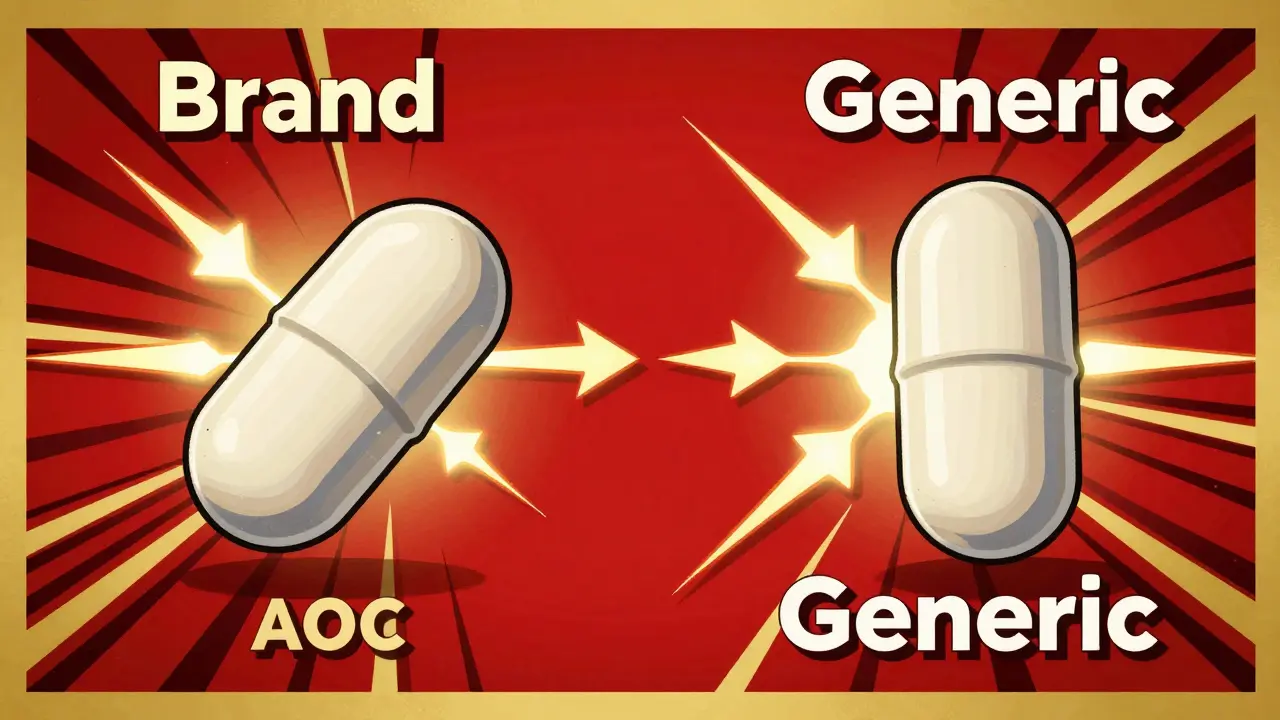
When you pick up a prescription, you might see two options: the brand-name pill you’ve heard of, or a cheaper generic version. Many people wonder - does switching to a generic change how your drugs interact with each other? The short answer: no. The risk of drug interactions is essentially the same for generic and brand-name medications. But why do so many people still worry about it? And when might that worry actually be justified?
What Makes a Generic Drug the Same?
Generic drugs aren’t knockoffs. They’re legally required to contain the exact same active ingredient, in the same strength, and delivered the same way as the brand-name version. If your brand-name pill has 10 mg of lisinopril, the generic must have 10 mg of lisinopril - no more, no less. The U.S. Food and Drug Administration (FDA) doesn’t approve a generic unless it proves it delivers the same amount of that active ingredient into your bloodstream at the same rate as the brand. This is called bioequivalence. To prove it, manufacturers run tests with healthy volunteers, measuring how quickly and how much of the drug enters the blood. The FDA requires that the generic’s absorption falls within 80% to 125% of the brand’s. That sounds like a big range - and it is. But in practice, most generics land within 5% of the brand’s performance. That’s not enough to change how the drug behaves in your body, especially when it comes to interactions.Drug Interactions Are About the Active Ingredient
Drug interactions happen because of what the drug does in your body - not what’s in the pill’s coating. If you’re taking warfarin and start using a new antibiotic, the interaction is caused by how the antibiotic affects liver enzymes that break down warfarin. It doesn’t matter if the warfarin is Coumadin or a generic version. The molecule is identical. The same goes for statins, antidepressants, seizure meds, or blood thinners. The active ingredient drives the interaction. A 2020 study in Scientific Reports looked at 17 cardiovascular drugs and compared outcomes between patients taking brand-name versus generic versions. The results were surprising: patients on generics had fewer heart attacks, strokes, and deaths. The study didn’t find any increased risk of drug interactions with generics - in fact, the opposite. Other large reviews from the FDA and Harvard Medical School confirm this. The active ingredient is the only thing that matters for how drugs interact.What About the Inactive Ingredients?
Here’s where things get tricky - and where myths start. Generics can have different fillers, dyes, preservatives, or binders. These are called excipients. They don’t affect how the drug works, but they can cause problems in rare cases. For example, if you’re lactose intolerant, a generic version of a medication might use lactose as a filler, while the brand uses corn starch. That won’t change how the drug interacts with your other meds, but it could cause stomach upset. That’s not a drug interaction - it’s a food sensitivity. The same goes for allergies. If you’re allergic to a dye used in one brand’s tablet, switching to a generic without that dye might make you feel better. But again, that’s not an interaction between two drugs - it’s a reaction to an inert substance. The FDA’s own guidelines say excipients are not expected to change how a drug interacts with other medications. Still, pharmacists at major hospitals like UCSF now check excipient lists when patients report new side effects after switching. Why? Because while it’s rare, it happens. And when it does, it’s not the drug’s fault - it’s the filler’s.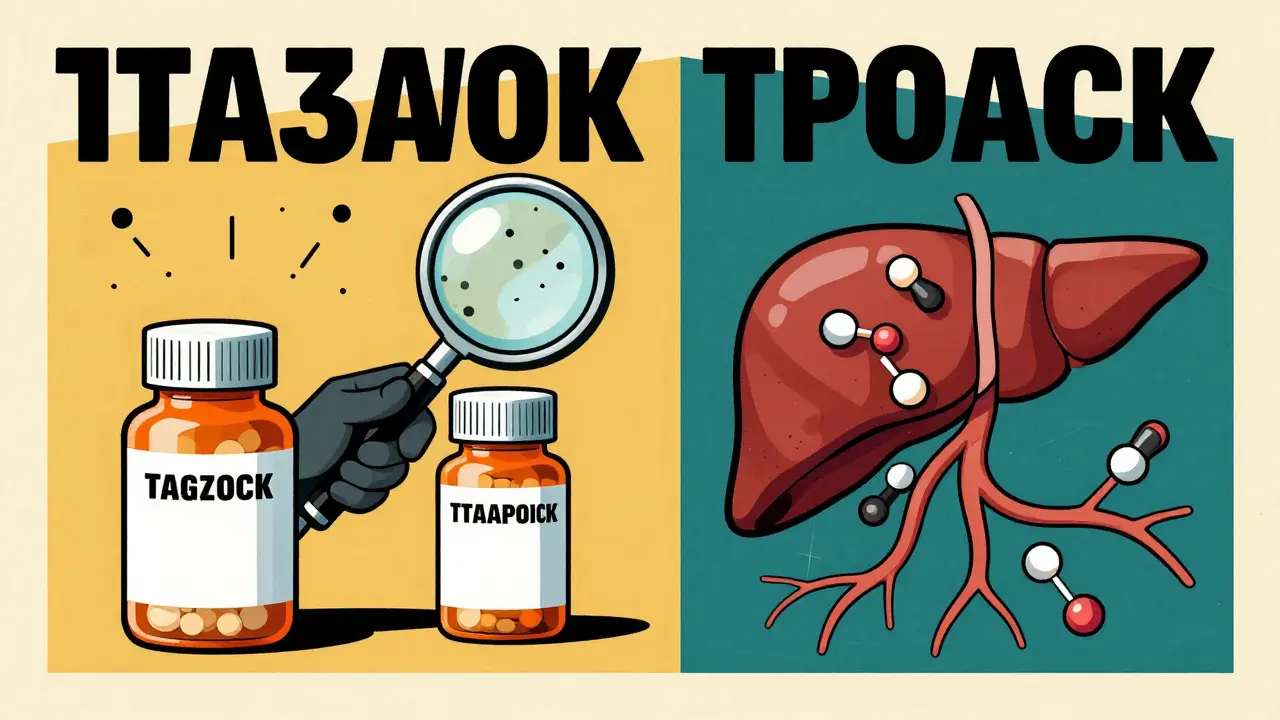
What About Narrow Therapeutic Index Drugs?
Some drugs have a very small window between a helpful dose and a dangerous one. Think warfarin, lithium, thyroid meds, or seizure drugs like phenytoin. For these, even tiny changes in blood levels can matter. The FDA requires tighter bioequivalence standards for these - 90% to 111% - instead of the usual 80% to 125%. Even then, studies show no increase in adverse events or interactions when switching between brand and generic versions. A 2019 review in the Journal of Clinical Pharmacology found no meaningful difference in blood levels between multiple generic versions of phenytoin. The real risk isn’t between brand and generic - it’s between two different generics made by different companies. If you switch from Generic A to Generic B, both are still bioequivalent to the brand, but they might differ slightly from each other. That’s why doctors sometimes say “dispense as written” for these drugs - not because generics are unsafe, but because consistency matters.Why Do People Think Generics Cause More Interactions?
It’s mostly psychological. When you switch from a brand-name pill you’ve taken for years to a generic that looks different - different color, shape, or even taste - your brain expects something to change. That’s the nocebo effect: expecting side effects makes you more likely to notice them. WebMD data shows complaints about generics spike in the first three months after a new version hits the market - then drop back down. A 2022 Consumer Reports survey found that 18% of people believed generics had higher interaction risks. But only 4% had actually experienced it. On Reddit’s pharmacy forum, 68% of users said they noticed zero difference between brand and generic versions. The rest reported changes - but when researchers checked their records, most of those changes were unrelated to the drug itself. Maybe they started a new supplement. Maybe they drank more grapefruit juice. Maybe they were stressed.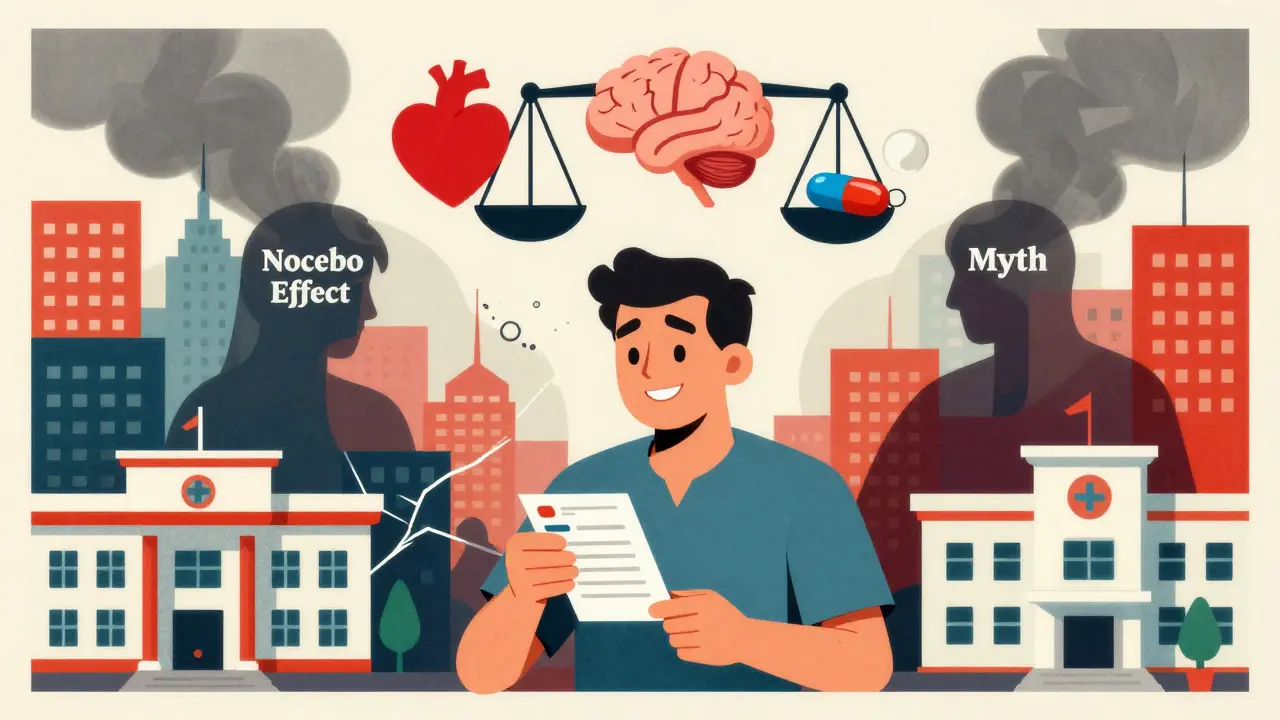
What the Data Really Shows
The FDA’s adverse event database (FAERS) from 2015 to 2020 tracked reports of drug interactions. Brand-name drugs had 0.78% of reports. Generics had 0.82%. The difference? Statistically meaningless. Not even close to significant. The European Medicines Agency analyzed over 12,000 adverse event reports and concluded: “The risk of drug interactions with generic medicines is not higher than with the reference medicine.” The American College of Clinical Pharmacology agrees. So does the FDA’s Center for Drug Evaluation and Research. Even the cost savings are real. Generics saved the U.S. healthcare system over $1.68 trillion in the past decade. If they were riskier, we’d see more hospitalizations, more ER visits, more deaths. We don’t.What Should You Do?
If you’re on a generic drug and feel fine - keep taking it. If you switch from brand to generic and notice new symptoms, don’t panic. Talk to your pharmacist. Ask: “Could this be the filler?” or “Is this the same active ingredient?” They can check the excipient list in the FDA’s Orange Book. If you’re on a narrow therapeutic index drug, ask your doctor if you should stick with one brand or generic to avoid switching between formulations. Never stop or change your meds because you’re worried about interactions. If you’re taking multiple drugs, keep a list of everything - including supplements and over-the-counter meds - and review it with your pharmacist every six months. That’s far more important than whether the pill is branded or generic.Bottom Line
Generic drugs are not second-rate. They’re not cheaper because they’re less safe. They’re cheaper because they don’t need to pay for advertising, clinical trials, or patent lawyers. The science is clear: the risk of drug interactions is the same. The active ingredient is what matters. The rest is noise. If you’ve been avoiding generics because you think they’re riskier - you’re not alone. But you’re wrong. Millions of people take generics safely every day. The data doesn’t lie. And your wallet will thank you.Are generic drugs less effective than brand-name drugs?
No. Generic drugs must meet the same FDA standards for effectiveness as brand-name drugs. They contain the same active ingredient, in the same amount, and work the same way in the body. Studies show no difference in outcomes for conditions like high blood pressure, depression, or diabetes when using generics.
Can switching from brand to generic cause new drug interactions?
It’s extremely rare. Drug interactions depend on the active ingredient, which is identical between brand and generic versions. Any new symptoms after switching are more likely due to a change in inactive ingredients (like fillers) or psychological factors - not a new interaction with another drug.
Do generics have more side effects than brand-name drugs?
No. Large studies and FDA data show no significant difference in side effect rates between generic and brand-name drugs. Some people report more side effects after switching, but this is often due to the nocebo effect - expecting problems leads to noticing them.
Why do some doctors say "dispense as written" for certain drugs?
For drugs with a narrow therapeutic index - like warfarin or lithium - even tiny changes in blood levels can matter. While generics are still safe and effective, doctors sometimes prefer patients to stick with one version to avoid small variations between different generic manufacturers. This isn’t about safety - it’s about consistency.
Is it safe to switch between different generic brands?
For most drugs, yes. All generics must meet FDA bioequivalence standards. But for drugs with a narrow therapeutic index, switching between different generic manufacturers might cause small fluctuations in blood levels. If you’re on one of these drugs and notice changes after switching generics, talk to your pharmacist or doctor.
Can excipients in generics cause drug interactions?
Excipients like lactose or dyes don’t cause drug interactions with other medications. But they can cause allergic reactions or intolerance in rare cases - for example, a lactose-sensitive person might get stomach upset. That’s not a drug interaction - it’s a reaction to an ingredient. Pharmacists can check the excipient list to help avoid these issues.


8 Comments
Marian Gilan-27 January 2026
lol so u mean my grandma's generic blood pressure pill is just as good as the fancy one? but wait... i swear the generic ones make me feel like i'm underwater. maybe it's the fillers? or maybe the government is hiding the truth? 🤔
Conor Murphy-28 January 2026
I get why people worry, honestly. Switching meds feels like swapping your favorite coffee for a store-brand version-you know it’s the same caffeine, but it just doesn’t *feel* right. 🤗 Glad this post laid it out so clearly.
Conor Flannelly-29 January 2026
The real issue isn't generics vs brand-it's the lack of transparency around excipients. Most people don't know how to check the Orange Book, and pharmacists don't always volunteer that info. If you're sensitive to lactose, gluten, or FD&C dyes, you're basically playing Russian roulette with your pill bottle. The science says it's safe, but the system doesn't care enough to make that info easy to find. We need better labeling, not just reassurance.
Patrick Merrell-30 January 2026
You think the FDA is protecting you? LMAO. They approve generics based on 80-125% bioequivalence-that’s a 45% swing! That’s not medicine, that’s a crapshoot. And don’t get me started on how they ignore the fact that different manufacturers use different manufacturing processes. This is corporate greed disguised as science.
Joanna Domżalska-31 January 2026
so you're saying the only thing that matters is the active ingredient? then why do i feel like crap on generics but fine on brand? maybe your data is wrong. maybe your science is a lie. maybe i'm just too sensitive. or maybe... you're wrong.
Josh josh- 2 February 2026
bro i switched from brand to generic for my antidepressant and i swear i felt like a zombie for a week. turned out it was the dye. no interaction. just my skin crying. now i only take the ones with no red #40. peace out ✌️
eric fert- 4 February 2026
Let me just say this-I’ve been on the same generic for six years. Six years. And I’ve had zero issues. But then my pharmacy switched me to a different generic-same active ingredient, same dosage, same everything except the manufacturer-and suddenly I’m having heart palpitations. I went to the doctor. They said it was anxiety. I said no, it’s the pill. They said the FDA says it’s fine. I said the FDA doesn’t live in my body. And then I switched back. And guess what? The palpitations stopped. So tell me again how it’s all in my head. Tell me how the science is settled when my body knows better than your spreadsheets. This isn’t about fear. It’s about lived experience. And if you’ve never felt your own heartbeat race because of a pill change, maybe you shouldn’t be the one telling others to trust the system.
Shawn Raja- 5 February 2026
So let me get this straight: you’re telling me that a pill made in India with corn starch instead of lactose is *exactly* the same as one made in Switzerland with fancy coatings and a $200 million ad campaign? And you want me to believe that the only difference is marketing? 🤡 The real conspiracy isn’t that generics are unsafe-it’s that we’re being sold a lie that we’re saving money when really, we’re just being guinea pigs for corporate cost-cutting. But hey, at least your wallet’s happy. Meanwhile, I’m over here Googling ‘can magnesium interact with dye #5’ at 2 a.m.