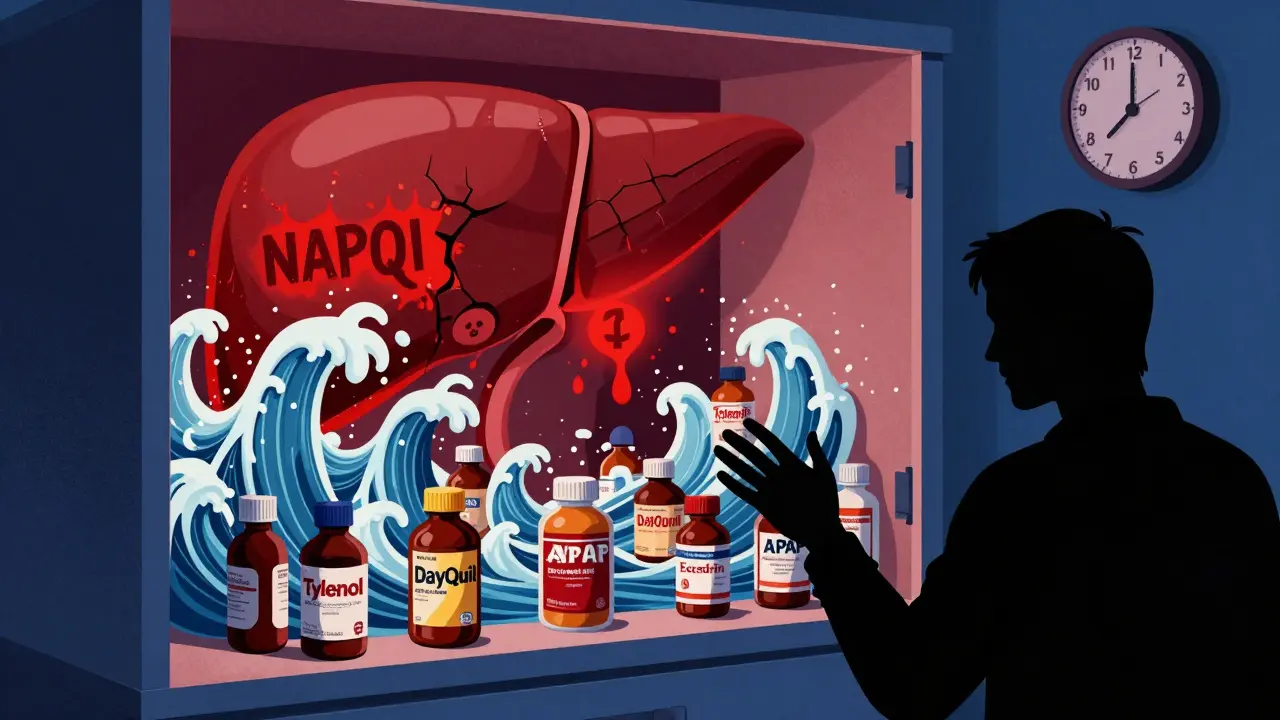
Every year, tens of thousands of people end up in emergency rooms because they took too much acetaminophen - and most didn’t mean to. It’s not some rare drug. It’s in your medicine cabinet. You’ve probably taken it for a headache, fever, or back pain. But if you don’t know what you’re really taking, acetaminophen can quietly wreck your liver. And it doesn’t scream for help. You might feel fine for hours - even a full day - before your body starts shutting down.
What Exactly Is Acetaminophen?
Acetaminophen is a common pain reliever and fever reducer sold under brand names like Tylenol, Panadol, and Excedrin, and as a generic ingredient in hundreds of over-the-counter and prescription products. It’s been around since the 1950s and is one of the most popular medications in the world. Unlike ibuprofen or aspirin, it doesn’t irritate your stomach or thin your blood. That’s why doctors often recommend it for people with ulcers, high blood pressure, or kidney issues.
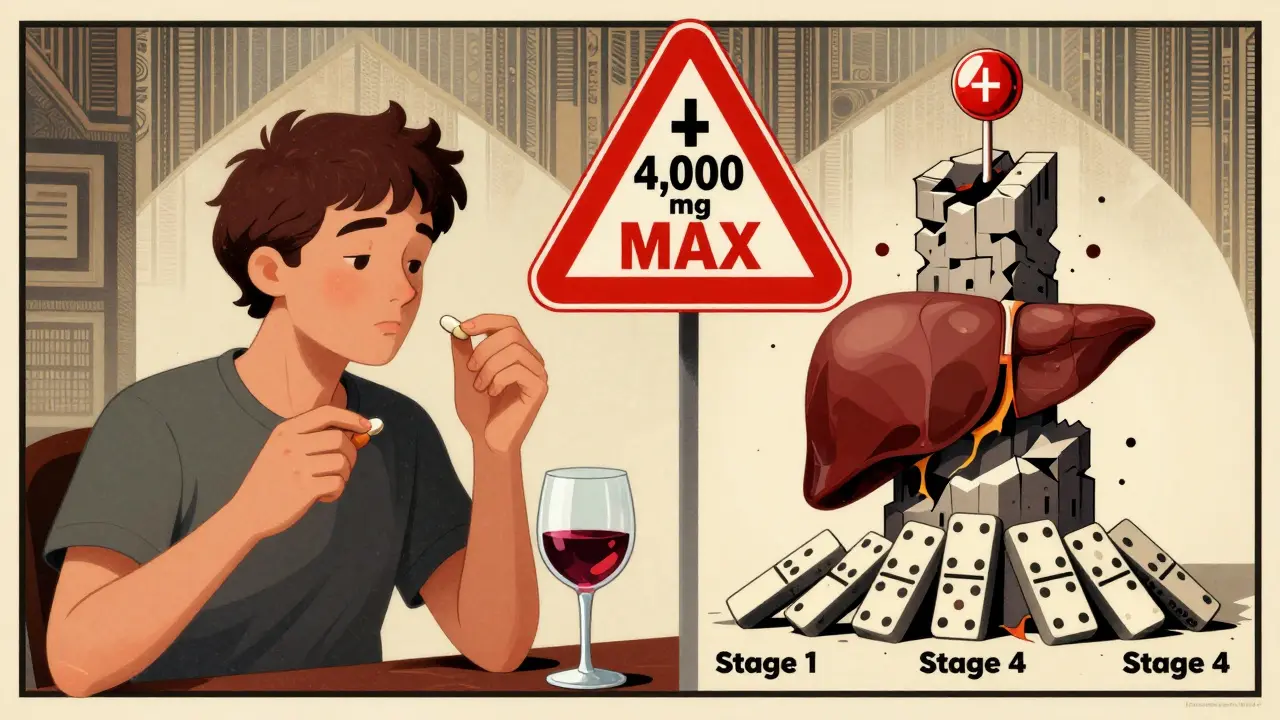
But here’s the catch: the line between safe and dangerous is razor-thin. For adults, the maximum safe daily dose is 4,000 milligrams. That’s eight 500 mg tablets. Just one extra tablet - maybe because you’re still in pain - can push you into danger. And if you’re drinking alcohol regularly, that limit drops even lower. Studies show that as few as three drinks a day can make your liver far more vulnerable to damage.
Why Is Acetaminophen So Dangerous?
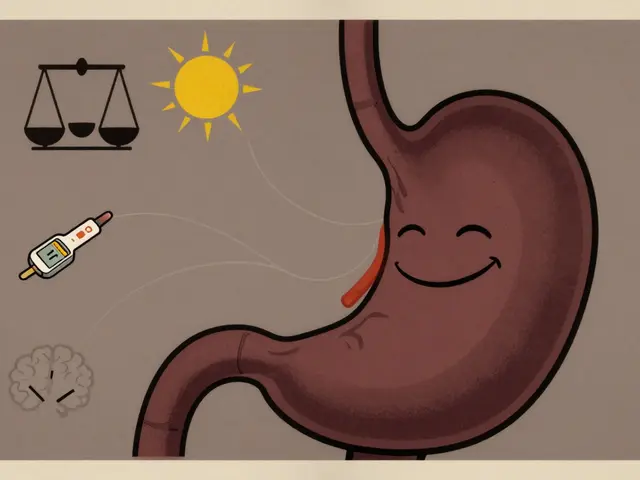
Your liver breaks down acetaminophen normally - until it gets overwhelmed. When you take too much, the liver produces a toxic byproduct called NAPQI. Normally, your body neutralizes it with an antioxidant called glutathione. But when you overdose, glutathione runs out. NAPQI starts eating away at liver cells. This isn’t a slow burn. It’s a silent explosion.
By the time you feel sick, your liver may already be damaged. Symptoms like nausea, vomiting, and sweating can start within hours - but they’re easy to ignore. You might think it’s just a stomach bug. By day two or three, you’ll start feeling worse: pain in your upper right abdomen, yellowing skin (jaundice), confusion, and dark urine. At this point, you’re in liver failure territory. In the U.S., acetaminophen causes more than half of all cases of acute liver failure. It’s the number one reason people need emergency liver transplants.
It’s Not Just Tylenol - You’re Probably Taking It Without Knowing
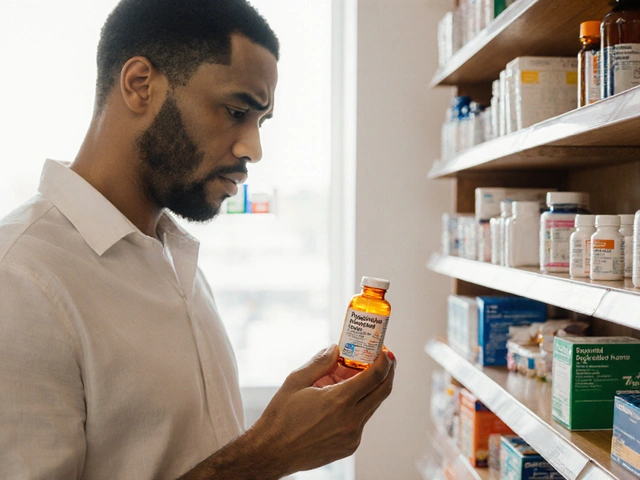
Here’s where most overdoses happen: people don’t realize they’re doubling up. Cold medicines. Flu remedies. Prescription painkillers. Even some sleep aids. All of them can contain acetaminophen - often listed as “APAP” on the label.
Imagine this: You take two extra-strength Tylenol for your headache. Then you grab a bottle of DayQuil for your stuffy nose. You don’t check the label. Both contain 500 mg of acetaminophen per dose. You take three doses of each over 12 hours. That’s 3,000 mg from Tylenol. Another 3,000 mg from DayQuil. Total? 6,000 mg. Over the safe limit. And you felt fine until your stomach started cramping 18 hours later.
A 2022 study found that nearly 25% of accidental overdoses happen this way - people combine products without realizing they’re stacking the same drug. Even more alarming: 23% of adults didn’t know acetaminophen was the active ingredient in Tylenol.
What Happens When You Overdose? The Four Stages
Acetaminophen toxicity doesn’t hit all at once. It unfolds in four stages - and most people miss the warning signs until it’s too late.
- Stage 1 (0-24 hours): You might feel off. Nausea. Sweating. A little dizzy. No pain yet. Liver enzymes? Still normal. This is when you should act - but most don’t.
- Stage 2 (24-72 hours): Your liver starts screaming. Pain under your right ribs. Your ALT and AST levels (liver enzymes) spike. You might feel fine otherwise, but your liver is already dying.
- Stage 3 (72-96 hours): This is the crisis. Jaundice. Confusion. Bleeding. Kidneys start failing. Liver enzyme levels can hit over 10,000 IU/L (normal is under 40). At this point, you’re in the hospital. Survival depends on whether you got treatment early.
- Stage 4 (after 5 days): Recovery or death. If you got N-acetylcysteine (NAC) within 8 hours, your chances of full recovery are 90%. After 16 hours? Down to 60%. If you waited longer? You might need a transplant - or not survive.
The Only Antidote That Works - And Why Timing Is Everything
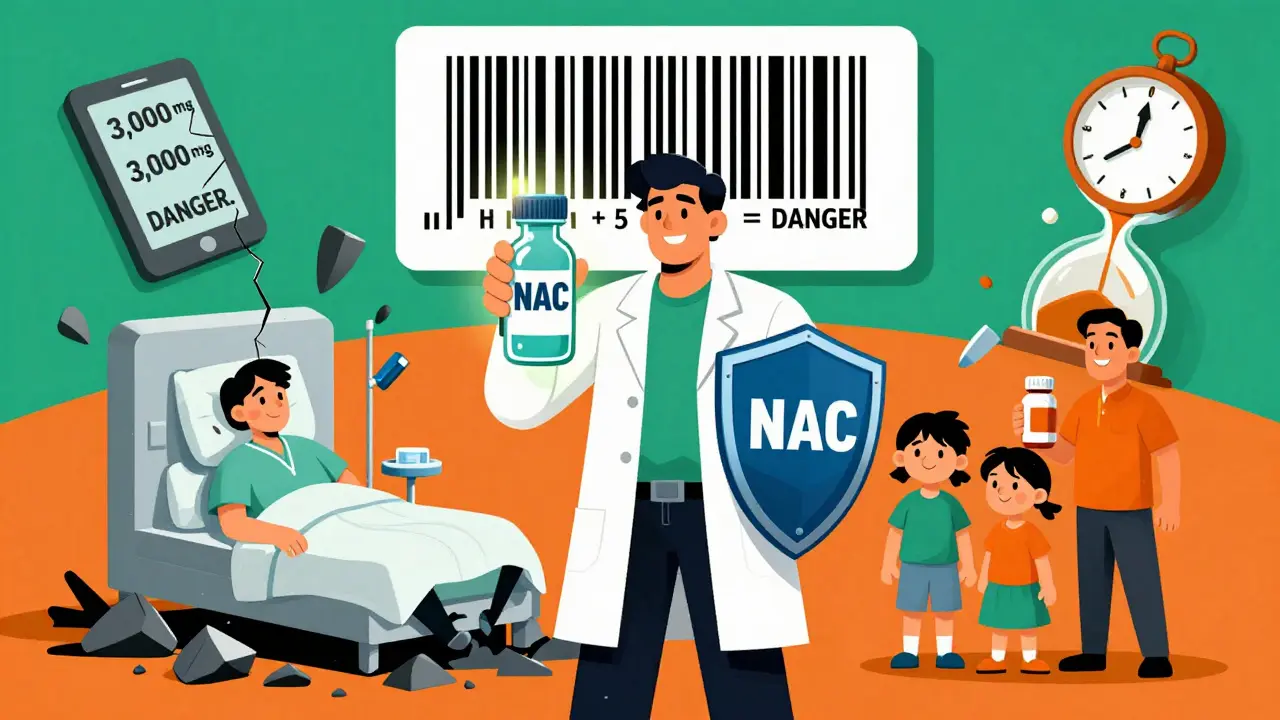
There’s a treatment. It’s called N-acetylcysteine (NAC). It’s not fancy. It’s cheap. And it works - if you get it fast. NAC replenishes glutathione, the body’s natural shield against NAPQI. The sooner you get it, the better.
Studies from the American Association of Poison Control Centers show that 90% of people treated with NAC within 8 hours of overdose recover with no lasting damage. After 16 hours? Only 60%. After 24? It’s a gamble. Many don’t make it.
That’s why calling Poison Control immediately - even if you’re not sure you overdosed - is the smartest thing you can do. You don’t need to wait for symptoms. You don’t need to go to the ER first. Just call. They’ll guide you.
How to Prevent an Overdose - 5 Simple Rules
Acetaminophen isn’t dangerous because it’s evil. It’s dangerous because we treat it like candy. Here’s how to stay safe:
- Know your dose. Never take more than 4,000 mg in 24 hours. For safety, aim for 3,000 mg max - especially if you’re older, have liver issues, or drink alcohol.
- Read every label. Look for “acetaminophen” or “APAP.” If you’re taking more than one medicine, add up the milligrams. Don’t guess. Write it down.
- Avoid alcohol. Even moderate drinking (three drinks a day) increases your risk. If you drink, don’t take acetaminophen. Period.
- Use the right measuring tool. Never use a kitchen spoon. A teaspoon holds 5 mL. A tablespoon holds 15 mL. Many overdoses happen because people use the wrong spoon - especially with kids. Always use the syringe or cup that came with the medicine.
- Ask your doctor. If you’re on prescription painkillers like Vicodin or Percocet, they already contain acetaminophen. That means you shouldn’t take any extra Tylenol. Ask your pharmacist to check all your meds for hidden acetaminophen.
Special Rules for Kids
Children are especially vulnerable. Their bodies process acetaminophen differently. A dose that’s safe for an adult can be deadly for a child.
The American Academy of Pediatrics says:
- Dose: 10-15 mg per kilogram of body weight, every 4-6 hours.
- Max: No more than 5 doses in 24 hours.
- Never use adult formulations.
- Always use the dosing tool that comes with the medicine.
One study found that 41% of parents made dosing mistakes using kitchen spoons. That’s not negligence - it’s confusion. Labels are too small. Instructions are too vague. That’s why so many kids end up in the ER.
What If You Think You Took Too Much?
Don’t wait. Don’t hope it’ll pass. Don’t check Reddit for advice.
Call Poison Control right away: 1-800-222-1222 (in the U.S.). If you’re outside the U.S., find your local poison center. They’re trained for this. They don’t judge. They don’t charge. They’ll tell you whether you need to go to the hospital - or if you’re okay.
If you’re dizzy, vomiting, or in pain - go to the ER. Don’t drive yourself. Bring the medicine bottle with you. That helps them figure out how much you took.
Why This Keeps Happening - And What’s Being Done
The problem isn’t just ignorance. It’s design. Labels are too small. “APAP” is confusing. The warning text blends in with other ingredients. A 2022 study found only 38% of people recognized the liver warning on acetaminophen packaging.
The FDA is trying. They’ve pushed for bigger, bolder text on labels. They’ve limited prescription combination pills to 325 mg of acetaminophen per dose. But it’s not enough. New apps are being tested that scan barcodes to calculate your total daily dose. Some hospitals are using AI to flag risky prescriptions before they’re filled.
But until the labels change - and until we all start reading them - the risk stays high.
Final Thought: It’s Not About Fear. It’s About Awareness.
Acetaminophen isn’t the enemy. It’s one of the safest pain relievers when used correctly. But safety doesn’t come from luck. It comes from knowing what’s in your medicine - and how much you’re taking.
Next time you reach for a pill, pause. Look at the label. Add up the numbers. Ask yourself: “Could this be too much?”
One extra tablet. One extra medicine. One missed label. That’s all it takes.
Can I take acetaminophen if I drink alcohol?
It’s not recommended. Even moderate drinking - three drinks a day - increases your risk of liver damage from acetaminophen. The liver has to process both alcohol and acetaminophen at the same time, which overwhelms its ability to detoxify. If you drink regularly, avoid acetaminophen. Use ibuprofen instead - but only if you don’t have stomach or kidney issues.
Is it safe to take acetaminophen every day?
For short-term use, yes - if you stay under 3,000 mg per day. But taking it daily for weeks or months, even at low doses, can slowly damage your liver, especially if you have fatty liver disease, hepatitis, or drink alcohol. If you need daily pain relief, talk to your doctor. There may be safer long-term options.
What’s the difference between regular and extra-strength Tylenol?
Regular strength Tylenol has 325 mg of acetaminophen per tablet. Extra-strength has 500 mg. That means you can take fewer pills - but you’re also closer to the daily limit. Taking six extra-strength tablets hits 3,000 mg. Eight hits the 4,000 mg ceiling. Many people don’t realize how quickly the dose adds up.
Can I take acetaminophen if I have liver disease?
Yes - but only at much lower doses. If you have cirrhosis, hepatitis, or fatty liver, your doctor may limit you to 2,000 mg per day or less. Never take it without checking with your provider. Even small doses can be risky if your liver is already damaged.
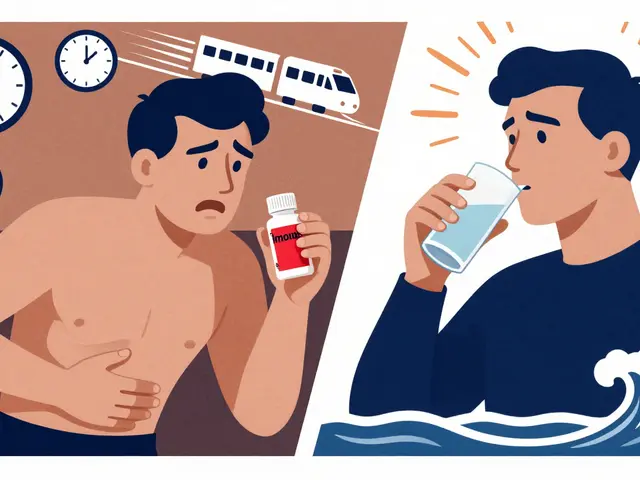
What should I do if I think I’ve overdosed but feel fine?
Call Poison Control immediately. Symptoms can take 12-24 hours to appear. Waiting to see if you feel sick is dangerous. N-acetylcysteine (NAC) works best within 8 hours of overdose. Even if you feel okay, getting treated early can prevent permanent liver damage.

9 Comments
Jessica Klaar- 8 February 2026
I never realized how easy it is to accidentally overdose on acetaminophen until my mom ended up in the ER last year. She took Tylenol for her back pain and then grabbed a cold medicine without checking the label. Both had APAP. She felt fine until she started vomiting at 2 a.m. Turns out, she’d hit 7,000 mg in 12 hours. Scary stuff. Now I keep a little note on my phone: ‘Always check the label.’ It’s saved me more than once.
Also, I started using a pill organizer with compartments labeled ‘acetaminophen’ and ‘other.’ Helps me keep track. Small habits save lives.
Tori Thenazi- 9 February 2026
Okay, but have you ever wondered why the FDA doesn’t just ban acetaminophen? I mean, it’s literally a silent killer that’s sold like candy... and they make you read tiny print to avoid poisoning yourself? I’m starting to think this is all part of a Big Pharma scheme to sell more liver transplants. I read somewhere that NAC is actually cheaper than a cup of coffee, but hospitals charge $1,200 for it. Coincidence? I think not. Also-why is it called ‘APAP’? That’s not even a word. Someone’s hiding something.
And don’t even get me started on how they let kids’ liquid Tylenol come with a ‘spoon’ that’s clearly a tablespoon... that’s not an accident. That’s a trap.
Also, I heard the WHO is secretly pushing a ban. They just haven’t told us yet. Stay vigilant, people.
Jonah Mann- 9 February 2026
Yeah, this is real. I work in a pharmacy and I see this every week. People come in with 5 different bottles and say ‘I just took one pill’-but they’re on Vicodin, DayQuil, Excedrin, and a sleep aid. All have acetaminophen. I always ask ‘Did you check the label?’ and they look at me like I’m speaking Martian.
Also, ‘APAP’? Come on. Why not just say ‘acetaminophen’? It’s 2 syllables. Not that hard. And I’ve seen people use a soup spoon to dose their kid. A soup spoon! That’s like 20 mL. That’s 2 doses. I swear, if I had a dollar for every time I said ‘Use the dropper,’ I’d have bought my own island by now.
And yeah, alcohol + Tylenol? Don’t. Even one beer. Just don’t. I’ve seen 30-year-olds with liver failure because they thought ‘I’m not a heavy drinker.’ You’re not. But you’re still killing your liver.
Also, I typo’d ‘acetaminophen’ like 3 times writing this. Sorry. My fingers hate this word.
Tricia O'Sullivan-11 February 2026
Thank you for this comprehensive and deeply necessary overview. The clarity with which the stages of toxicity are presented is both educational and sobering. I have been a healthcare professional for over two decades, and yet I still encounter patients who believe acetaminophen to be entirely benign. This is a public health crisis that demands not just awareness, but systemic reform in labeling, packaging, and patient education.
I have personally recommended this article to colleagues and patients alike. It is rare to find such an accurate, accessible, and urgent message delivered without sensationalism. Well done.
Brandon Osborne-11 February 2026
WHY IS THIS STILL A THING?!?! People are dying because they’re too lazy to read a label?!? I’ve seen my cousin’s husband die from this. He took two Tylenol, then a cold medicine, then another one because he ‘felt worse.’ He didn’t even know what APAP meant. He was 34. He had two kids. And now they’re raising them without him because he didn’t check his damn medicine bottle!
Why isn’t this drug labeled like cigarettes? Why isn’t there a skull and crossbones? Why isn’t there a 10-second video warning before you buy it? Why do we let people walk out of CVS with 12 bottles of poison and no one says a word?!
It’s not about education-it’s about design. They WANT you to mess up. More transplants. More profit. This is capitalism at its most evil. I’m done being polite about this.
Patrick Jarillon-12 February 2026
Actually, I think the whole acetaminophen scare is exaggerated. I’ve been taking 4,000 mg daily for 10 years. I drink 2-3 beers a night. I’ve had 12 liver panels. All normal. You know what’s really dangerous? Fear-mongering. They want you scared so you’ll take ibuprofen-which causes stomach bleeds, kidney damage, and heart attacks. Acetaminophen is safer than most things we eat. The liver is an organ, not a porcelain doll.
Also, NAC? It’s not magic. I read a study where 80% of people who took NAC after 16 hours still had liver damage. So why are we acting like it’s a cure-all? It’s not. It’s a bandaid. And the FDA is just trying to shift blame from their own failed regulation.
And ‘APAP’? It’s not confusing. It’s the chemical abbreviation. Like NaCl for salt. If you can’t handle that, maybe you shouldn’t be taking medicine.
Kathryn Lenn-14 February 2026
So let me get this straight: we’re all supposed to become pharmacists just to take a Tylenol? I have a headache. I grab a pill. I don’t need a flowchart. I don’t need to calculate milligrams based on my body weight, alcohol intake, and lunar phase. This isn’t safety-it’s performative bureaucracy.
And ‘read the label’? The font is smaller than my eyelashes. I’m 32. I have 20/20 vision. I still need a magnifying glass. And ‘APAP’? Who thought that was a good idea? A robot? A bureaucrat who hates people?
Also, I’ve taken 8,000 mg in 24 hours once. Felt fine. My liver? Still working. So maybe the ‘danger’ is just a myth invented by people who hate fun.
But hey, if you wanna live in fear of your medicine cabinet… go ahead. I’ll be over here, taking my pills and enjoying my life.
John Watts-15 February 2026
This post saved my life. Seriously. I used to take Tylenol every night for my migraines. Never checked labels. Never thought twice. Then I read this. I started writing down every pill I took. Turns out, I was hitting 5,000 mg a day because of my nighttime cold med. I switched to ibuprofen and cut out alcohol. My liver enzymes went from 120 to 38 in 3 months.
Now I tell everyone. My coworkers. My mom. My cousin who’s on 6 meds. I even made a little sticky note: ‘Tylenol + anything else? STOP. CHECK.’ I put it on my mirror. It works.
You don’t need to be a genius to stay safe. Just curious. Just careful. One small step. That’s all it takes. You got this.
Angie Datuin-15 February 2026
My grandma took Tylenol every day for her arthritis. She didn’t drink. Never had a problem. She’s 82 and still walks her dog. Maybe it’s not as dangerous as they say?