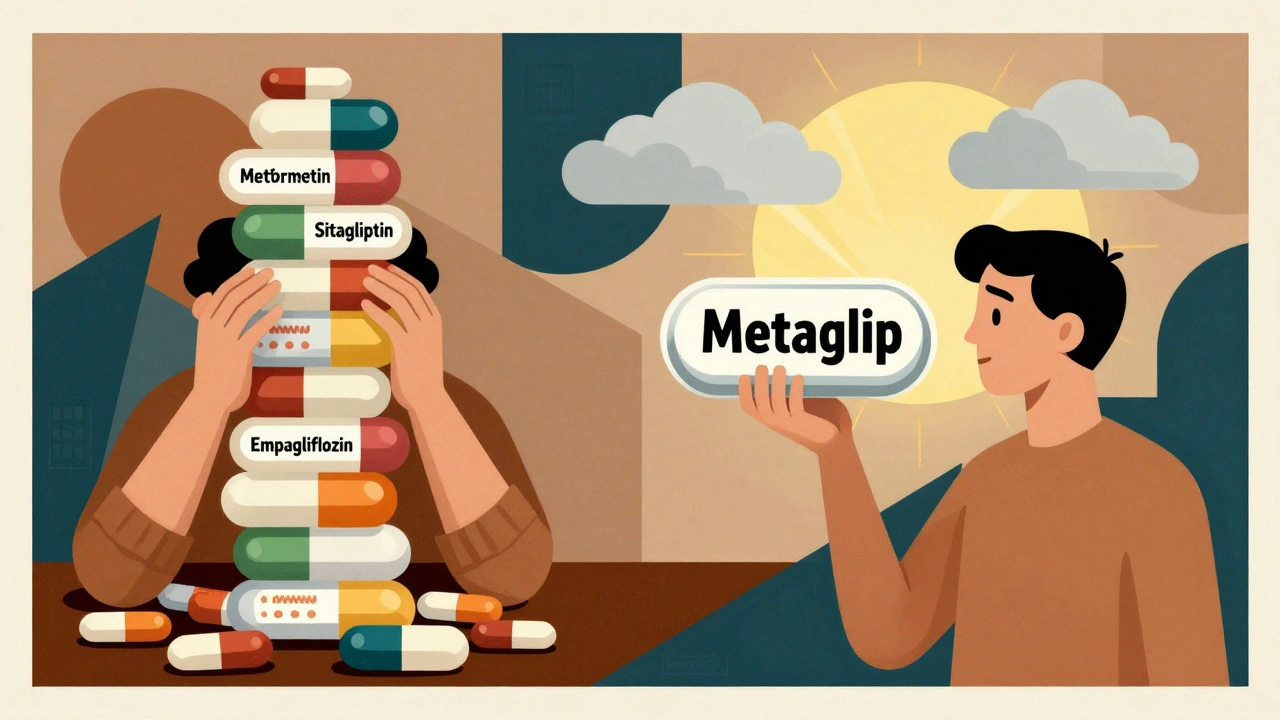
Managing Type 2 diabetes often means taking more than one pill a day. For many people, that adds up to four, five, or even six pills daily. It’s not just inconvenient-it makes it harder to stick with the treatment. That’s where diabetes combination medications come in. These pills combine two or more drugs into a single tablet, cutting down pill burden and helping people stay on track. But here’s the catch: not all combination meds are created equal when it comes to generics and substitutions.
What Are Diabetes Combination Medications?
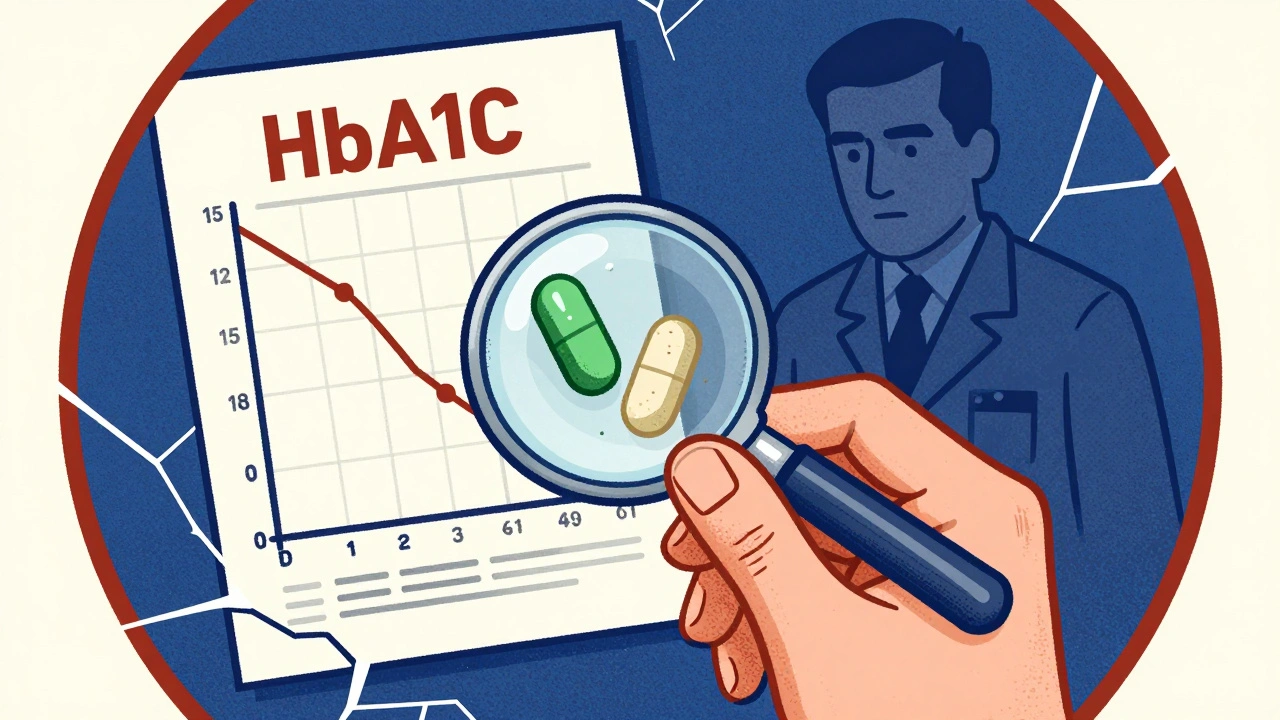
Diabetes combination medications merge two different types of blood sugar-lowering drugs into one tablet. Most commonly, they pair metformin-with its ability to reduce liver glucose output and improve insulin sensitivity-with another agent like a DPP-4 inhibitor, SGLT2 inhibitor, or sulfonylurea. These combinations aren’t new. The FDA approved the first modern combo, Janumet (sitagliptin/metformin), back in 2007. Since then, about 25 such products have hit the U.S. market.The goal? Better control with fewer pills. Studies show patients on combination therapy are 37% more likely to stick with their regimen than those juggling multiple separate pills. And the results? HbA1c levels drop an average of 1.2% to 1.8%, compared to just 0.7% to 1.0% with single drugs. That’s a big difference when your target is below 7%.
Why Generics Matter for Diabetes Patients
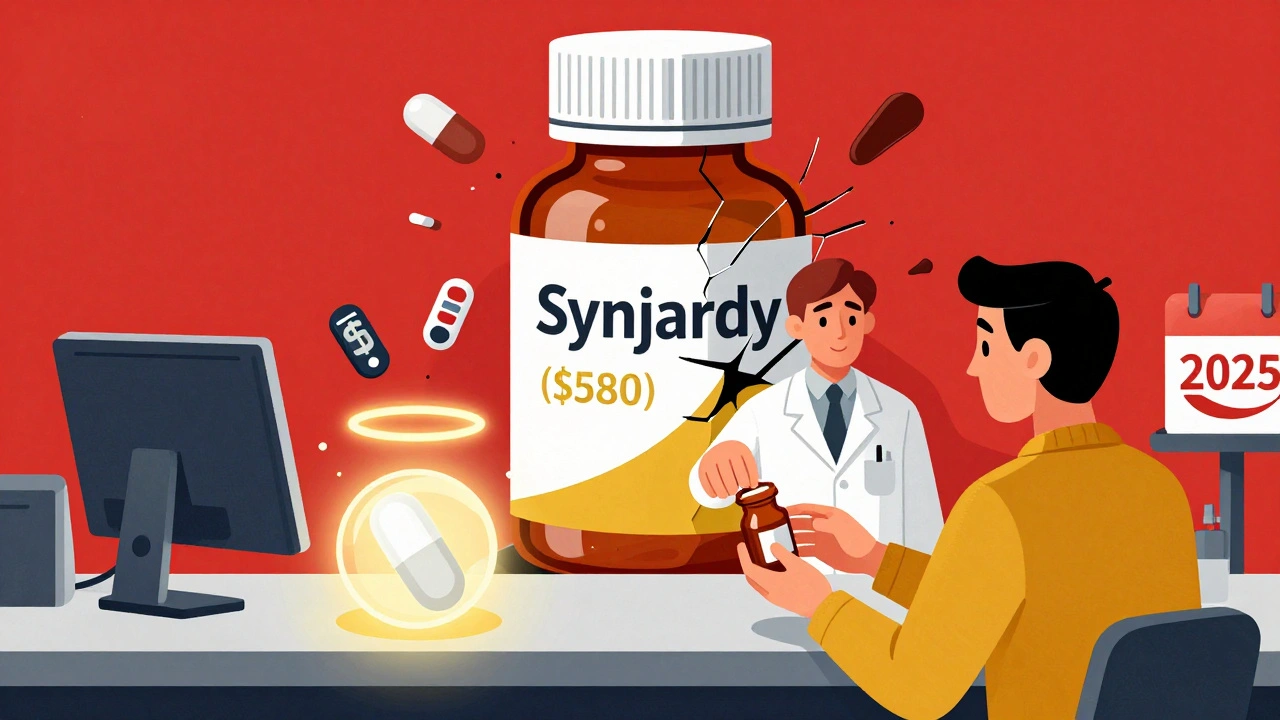
Cost is a huge barrier. Brand-name combo pills like Synjardy (empagliflozin/metformin) can cost over $580 for a 30-day supply. That’s more than most people can afford without insurance. Enter generics.Right now, only five of the 25 combination diabetes drugs have generic versions. But those five make a massive difference. Take Metaglip (glipizide/metformin) and Glucovance (glyburide/metformin)-both have been generic since 2010 and 2012, respectively. Today, a 60-tablet supply costs around $15 to $19 cash. Compare that to the brand versions, which used to sell for over $300. That’s a 95% drop in price.
For people paying out of pocket or with high-deductible plans, this isn’t just savings-it’s access. In 2023, generic combinations made up 33% of all combination prescriptions filled, up from 24% in 2018. The trend is clear: patients and insurers are shifting toward generics when they’re available.
Which Combination Meds Have Generic Versions?
Not all combos are generic-friendly. It depends on patent expiration and whether the drug was developed early enough for generic manufacturers to catch up.Available Generics:
- Metaglip (glipizide + metformin) - Generic since 2012
- Glucovance (glyburide + metformin) - Generic since 2010
- Jentadueto (linagliptin + metformin) - First generic approved in May 2023, but market entry delayed until 2025 due to litigation
No Generics Yet (as of December 2025):
- Janumet (sitagliptin + metformin)
- Synjardy (empagliflozin + metformin)
- Steglujan (ertugliflozin + sitagliptin)
- Trijardy (empagliflozin + linagliptin + metformin)
The newer the combo, the longer you’ll wait for a generic. Patents on DPP-4 and SGLT2 inhibitors extend protection well into the 2020s. Janumet XR’s key patents expired in January 2024, but formulation patents may delay generics until 2026. That means for now, if you’re on one of these newer combos, you’re stuck with the brand price.
When Substitution Works-And When It Doesn’t
Switching from a brand-name combo to its generic isn’t always seamless. For older combinations like Metaglip and Glucovance, most patients transition without issue. A 2022 Joslin Diabetes Center survey found 76% of users reported a smooth switch.But problems pop up when the drug has a narrow therapeutic index-meaning even small differences in how the body absorbs the medicine can cause big changes in blood sugar. Glyburide, found in Glucovance, is one of these. There are documented cases where patients switched to generic versions and experienced unexpected hypoglycemia because the release pattern of glyburide differed slightly.
One Reddit user, "Type2Warrior," described recurring low blood sugar after switching from brand Glucovance to generic. Their endocrinologist adjusted their diet and timing of meals, but it took weeks to stabilize. This isn’t rare. A 2022 American Pharmacists Association survey found 12% of pharmacists reported bioequivalence concerns with certain diabetes generics.
Experts agree: substitution works best for stable patients on long-term therapy. If your blood sugar is steady and you’re not experiencing side effects, a generic switch is often safe. But if you’re newly diagnosed, adjusting doses, or have kidney issues, stick with the brand-or at least talk to your doctor before switching.
What to Watch For When Switching
If you’re switching to a generic combo, don’t assume everything will feel the same. Here’s what to monitor:- Blood sugar patterns: Test more often for the first 2-4 weeks. Check fasting, before meals, and 2 hours after eating.
- Side effects: Did your stomach upset get worse? Did you start feeling dizzy or shaky? These could signal a change in how the drug is absorbed.
- Pill appearance: Generics look different. They may be bigger, smaller, or a different color. That’s normal-but if you’re used to a specific shape, it can cause confusion.
- Dosing schedule: Some generics only come in immediate-release form, even if your brand was extended-release. That means you might need to take it twice a day instead of once.
Doctors recommend checking your glucose four times daily during the first month after switching. It’s not paranoia-it’s precaution.
Insurance, Prior Authorization, and Hidden Costs
Even if a generic exists, your insurance might not automatically switch you. Many plans require prior authorization before covering a combo med-generic or brand. In a 2023 ADA patient survey, 63% of respondents said they had to fight their insurer to get coverage.Here’s how to handle it:
- Ask your pharmacy if your prescription was filled as generic. If not, request it.
- Call your insurance to ask why a brand was approved over a generic.
- Check if the manufacturer offers a copay card. Even brand-name companies like Merck and Boehringer Ingelheim have programs that can cut your cost to $0 for eligible patients.
- Use GoodRx or SingleCare to compare cash prices. Sometimes paying out of pocket is cheaper than your insurance copay.
Don’t assume your copay is the final cost. A $20 copay on a $500 brand drug is still a $480 loss to your wallet. Generics often cost less than your copay.
The Future of Generic Diabetes Combos
The pipeline is filling. Patents for Janumet XR and other DPP-4/metformin combos are expiring through 2025 and 2026. Once those patents fall, generic versions will flood the market. Evaluate Pharma predicts this could save the U.S. healthcare system $2.1 billion annually.By 2030, experts expect nearly all metformin-based combos with older drug classes (sulfonylureas, DPP-4 inhibitors) to be available as generics. But the newer combos-those with SGLT2 or GLP-1 agonists-will stay branded for at least another 5-7 years.
The trend is unstoppable: cost pressure, patent expirations, and patient demand are pushing the system toward generics. For patients, that means more affordable options. For providers, it means more responsibility to monitor for changes after substitution.
Final Advice: Know Your Meds
If you’re on a combination diabetes medication, know exactly what’s in it. Look up the active ingredients. Is it metformin + glipizide? Metformin + sitagliptin? That tells you whether a generic exists and what to expect.Don’t let a pharmacy switch your meds without telling you. Ask: "Is this the brand or generic?" If it’s a change, ask your doctor if it’s safe for you.
Generics aren’t inferior-they’re just different. For most people on older combos, they’re a lifesaver. For others, especially those with tight glucose control or kidney issues, the brand may still be the better choice.
The bottom line? Generic diabetes combinations are real, they’re affordable, and they work-for the right people, at the right time. But they’re not a one-size-fits-all solution. Stay informed. Stay vigilant. And never stop asking questions.
Can I switch from a brand-name diabetes combo to a generic without my doctor’s approval?
While pharmacies can legally substitute a generic if it’s approved and your insurance allows it, you should always talk to your doctor first. Diabetes medications have narrow therapeutic windows, and even small changes in absorption can affect blood sugar control. Your doctor can help you monitor for changes and adjust your plan if needed.
Why are some diabetes combination drugs still brand-only?
Newer combination drugs, especially those containing SGLT2 inhibitors or DPP-4 inhibitors, are protected by patents that last 20 years from the original filing date. Additional patents on formulations, delivery systems, or uses can extend that protection. For example, Janumet XR’s patent for its extended-release form delays generic entry until 2026, even though the active ingredients are no longer under patent.
Are generic diabetes meds as effective as brand-name ones?
Yes, by FDA standards, generics must be bioequivalent to the brand-meaning they deliver the same amount of active ingredient into your bloodstream within a similar time frame. But bioequivalence allows for a range of 80-125% similarity, which can matter for drugs like glyburide or sitagliptin where small changes affect blood sugar. Most patients see no difference, but some do. Monitoring is key.
What’s the cheapest diabetes combination medication?
As of late 2025, the cheapest generic combinations are Metaglip (glipizide/metformin) and Glucovance (glyburide/metformin), both costing around $15-$20 for a 60-tablet supply at cash prices. These are available at Walmart, CVS, and other pharmacies using GoodRx coupons. Newer combos like Synjardy still cost over $500 and have no generic alternatives.
Do generic diabetes pills have the same side effects as the brand?
The active ingredients are identical, so the expected side effects are the same. But inactive ingredients (fillers, coatings, dyes) can differ, which may cause new or worsened reactions in some people-like stomach upset or allergic responses. Some users report different GI side effects after switching, even when the active drug is unchanged.


12 Comments
Erin Nemo- 1 December 2025
I switched to generic Glucovance last year and my HbA1c stayed the same but my wallet breathed a sigh of relief. $18 for a 60-day supply? Yes please.
Also, the pills look different but I just wrote the name on the bottle with a Sharpie. Works like a charm.
ariel nicholas- 2 December 2025
Are you people seriously celebrating generics like they're the Second Amendment? The FDA's 80-125% bioequivalence window is a joke-some of these generics are barely even the same drug. We're letting pharmaceutical corporations off the hook by pretending 'close enough' is good enough for diabetes. This isn't a coupon clipper's hobby-it's your life.
And don't even get me started on how we let Big Pharma patent the same molecule three different ways just to delay generics. It's corporate theft dressed as innovation.
Rachel Stanton- 2 December 2025
Important context: bioequivalence doesn't mean identical-it means statistically equivalent within a defined range. For metformin-based combos, the variability is usually negligible. But for drugs like glyburide with a narrow therapeutic index? That’s where monitoring becomes critical.
Patients should be empowered, not scared. If you’re stable, generics are often a win. If you’re adjusting or have renal impairment? Talk to your provider. No panic, just precision.
Amber-Lynn Quinata- 3 December 2025
OMG I switched to generic and my blood sugar went CRAZY low 😱 I thought I was gonna die. My pharmacist didn’t even tell me it was generic!! I cried for 20 minutes. Now I only take brand name. No more risks. 💔
Also, why do pharmacies do this without telling us?? It’s like a trap. I’m never trusting them again. #PatientSafety
Lauryn Smith- 4 December 2025
I’ve been on Metaglip generics for five years. No issues. My doctor said if I’m steady, switch. I did. Saved $400 a year. No drama.
But I always check the pill color and call my doc if something feels off. Simple. Smart. No fear.
Bonnie Youn- 4 December 2025
Generics are a GAME CHANGER for people who can’t afford to choose between insulin and groceries
Stop acting like they’re dangerous-this isn’t a sci-fi movie, it’s real life for millions
And if your doctor says it’s safe? Trust them
Also-GoodRx is your best friend. Use it. Every. Single. Time.
YOU CAN DO THIS
Scotia Corley- 5 December 2025
The notion that bioequivalence guarantees therapeutic equivalence is a dangerous oversimplification. Regulatory thresholds are not clinical thresholds. The variability in dissolution profiles, even within FDA-allowed parameters, can produce clinically significant deviations in glycemic control-particularly in elderly or renally impaired populations. This is not a cost-saving initiative; it is a pharmacological gamble with human outcomes.
Debbie Naquin- 6 December 2025
Patents aren’t just legal tools-they’re economic constructs that reframe access as privilege
When a molecule’s structure is no longer proprietary, but its delivery system is, we’re not innovating-we’re gaming the system
The real question isn’t whether generics work-it’s why we let corporations monetize time itself
Karandeep Singh- 8 December 2025
generic metformin got me 20% less side effects than brand. who knew??
James Allen-10 December 2025
So let me get this straight-you’re telling me the same pills that cost $500 are now $15 and nobody’s screaming about how this is a government conspiracy to make us all sick?
And the FDA just… lets this happen?
Someone’s getting rich here. And it ain’t us.
Also, I saw a guy on TikTok say generics cause cancer. I’m not taking any chances. I’m sticking with the brand. Even if I have to sell my car.
Alexander Williams-12 December 2025
While the pharmacokinetic parameters of generic glipizide/metformin may fall within FDA-defined bioequivalence ranges, the interindividual variability in Cmax and AUC-particularly in polymorphic CYP2C9 metabolizers-can yield clinically relevant deviations in hypoglycemic risk. The assumption of therapeutic interchangeability is statistically valid but pharmacologically naive.
Suzanne Mollaneda Padin-12 December 2025
As someone who grew up in a country where insulin was rationed, seeing generics here feels like a miracle.
But I know not everyone has access to good doctors or pharmacies that explain things.
Maybe we need a simple guide-like a one-page handout pharmacies give out with every generic switch.
Not a warning. Just: "Here’s what to watch. Here’s who to call. You’ve got this."
Small things matter.