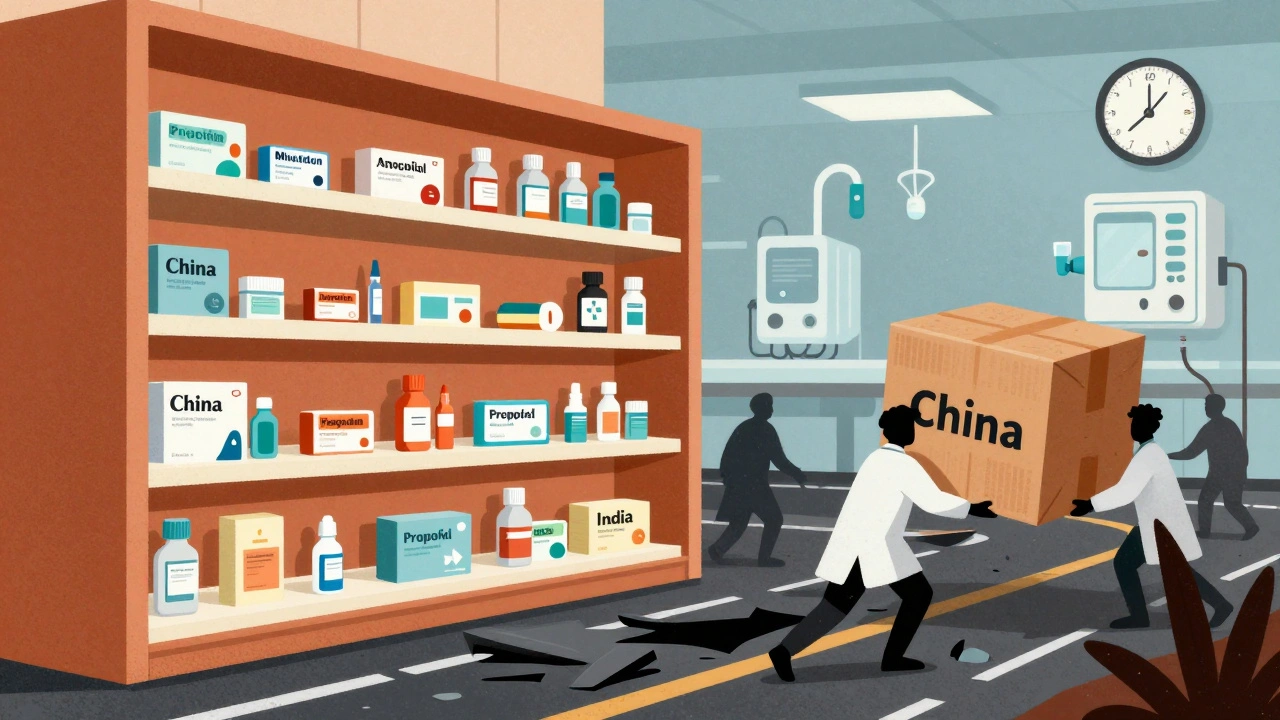
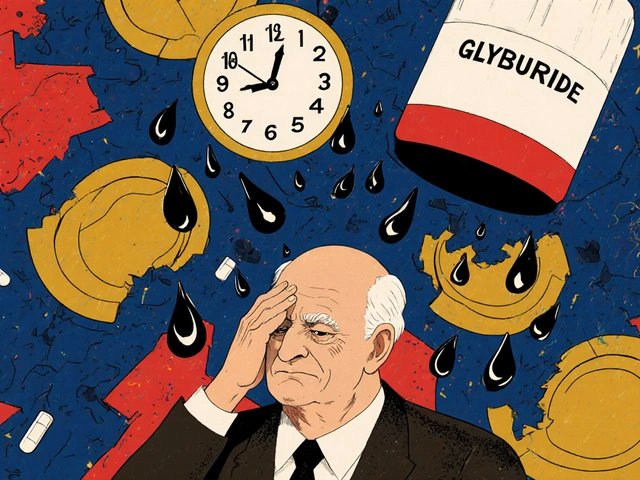
When the pandemic hit in early 2020, most people worried about masks, ventilators, and hospital beds. But behind the scenes, something just as dangerous was unfolding: drug shortages. Essential medications-from antibiotics to insulin to blood pressure pills-vanished from shelves. At the same time, the illegal drug market turned deadly as fentanyl flooded the streets. This wasn’t just a temporary glitch. It exposed deep cracks in how the world makes and delivers medicine-and how addiction treatment fell through the gaps.
Pharmaceutical Shortages Hit Hard in Early 2020
Between February and April 2020, nearly one in three drug supply reports turned into actual shortages. That’s a fivefold jump from normal levels. Drugs like propofol, used to sedate ICU patients, and heparin, a blood thinner critical for dialysis and surgery, became nearly impossible to find. Even common generics like amoxicillin and metformin disappeared from pharmacies. Hospitals rationed doses. Patients skipped refills. Some people started splitting pills or going without. The root cause? Global supply chains snapped. Over 80% of active pharmaceutical ingredients-what makes a drug work-come from just two countries: China and India. When lockdowns hit those regions, factories shut down. Shipping slowed. Workers got sick. And with no backup suppliers, the U.S. ran out. By May 2020, things started to improve. The FDA stepped in. They pushed manufacturers to report problems earlier, fast-tracked inspections, and allowed temporary imports. By summer, most shortages returned to pre-pandemic levels. But the damage was done. People lost trust. And the system didn’t fix the underlying problem: a supply chain built on cost-cutting, not resilience.The Illicit Drug Market Turned Deadlier
While prescription drugs vanished, illegal drugs became more potent-and more lethal. The overdose death toll didn’t just rise. It exploded. From May 2019 to April 2020, about 77,000 Americans died from drug overdoses. The next year? Nearly 98,000. That’s a 31% jump in just 12 months. Why? Supply chains for street drugs broke down too. Cocaine and heroin shipments slowed. Dealers turned to fentanyl-a synthetic opioid 50 to 100 times stronger than morphine-to stretch their product. Users didn’t know what they were getting. A dose that used to cause a high now caused a coma. A Reddit user in June 2020 wrote: “I took my usual amount. Felt like I was drowning. Woke up in the ER. They said it was fentanyl.” States like West Virginia, Kentucky, and Vermont saw overdose deaths climb over 50%. Even places with strong harm reduction programs struggled. Needle exchanges cut hours. Supervised injection sites closed. Naloxone, the overdose-reversal drug, ran low. Boston distributed 30% more naloxone kits in 2020 than in 2019-but demand outpaced supply.Telehealth Helped Some, Left Others Behind
The pandemic forced a major shift in addiction treatment. Before 2020, getting buprenorphine (a medication for opioid use disorder) required in-person visits every week. That changed fast. In February 2020, only 13% of prescriptions were done via telehealth. By April, it was 95%. For people in rural areas or without transportation, this was life-changing. A woman in rural Kentucky told her counselor: “I could finally get my med without driving two hours. I kept taking it. I didn’t relapse.” But not everyone benefited. Older adults struggled with Zoom calls. People without smartphones or stable internet were cut off. One study found that 75% of those with private insurance stopped using behavioral health services in spring 2020. Group therapy, 12-step meetings, peer support-all gone. The result? More isolation. More relapse. More deaths.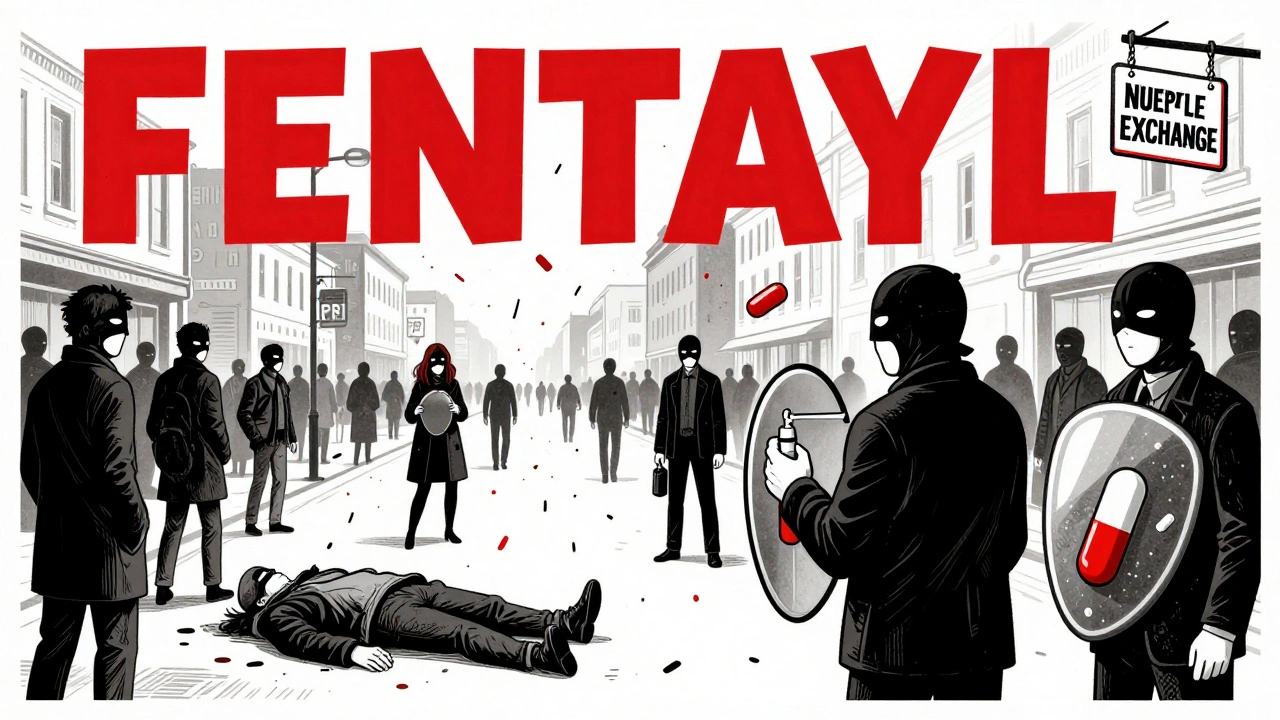
Who Got Left Out?
The pandemic didn’t create new problems. It amplified existing ones. People of color, low-income communities, and those without insurance were hit hardest. In cities like Philadelphia and Chicago, harm reduction workers reported that Black and Latino individuals were less likely to access telehealth because they lacked reliable devices or trusted digital platforms. Stigma also played a role. Many people with substance use disorders avoided hospitals during the pandemic-not just because of COVID, but because they feared being judged or reported to police. A study in the Journal of Substance Abuse Treatment found that 40% of people who used drugs avoided emergency care due to fear of legal consequences. Meanwhile, Medicaid expansion in some states helped. But in others, coverage gaps stayed wide. People who lost jobs lost insurance. People who lost insurance lost access to medications. The system didn’t adapt fast enough for those already on the edge.What’s Still Broken?
Yes, most prescription drug shortages are gone. But the system is still fragile. The FDA can respond to crises-but it can’t fix the economic incentives that make companies rely on overseas factories. Why? Because making drugs in the U.S. costs more. And without government incentives, companies won’t change. The overdose crisis? It’s worse than ever. In 2022, over 107,000 Americans died from drug overdoses-the highest number ever recorded. Fentanyl is now in almost every major drug class: counterfeit pills, cocaine, methamphetamine. The market doesn’t care about safety. It cares about profit. And telehealth? It’s here to stay. But without broadband access, digital literacy, and mental health support, it’s not enough. The government expanded take-home methadone doses and allowed phone prescriptions for controlled substances. But those are temporary fixes. We need permanent investment in community-based care, not just tech.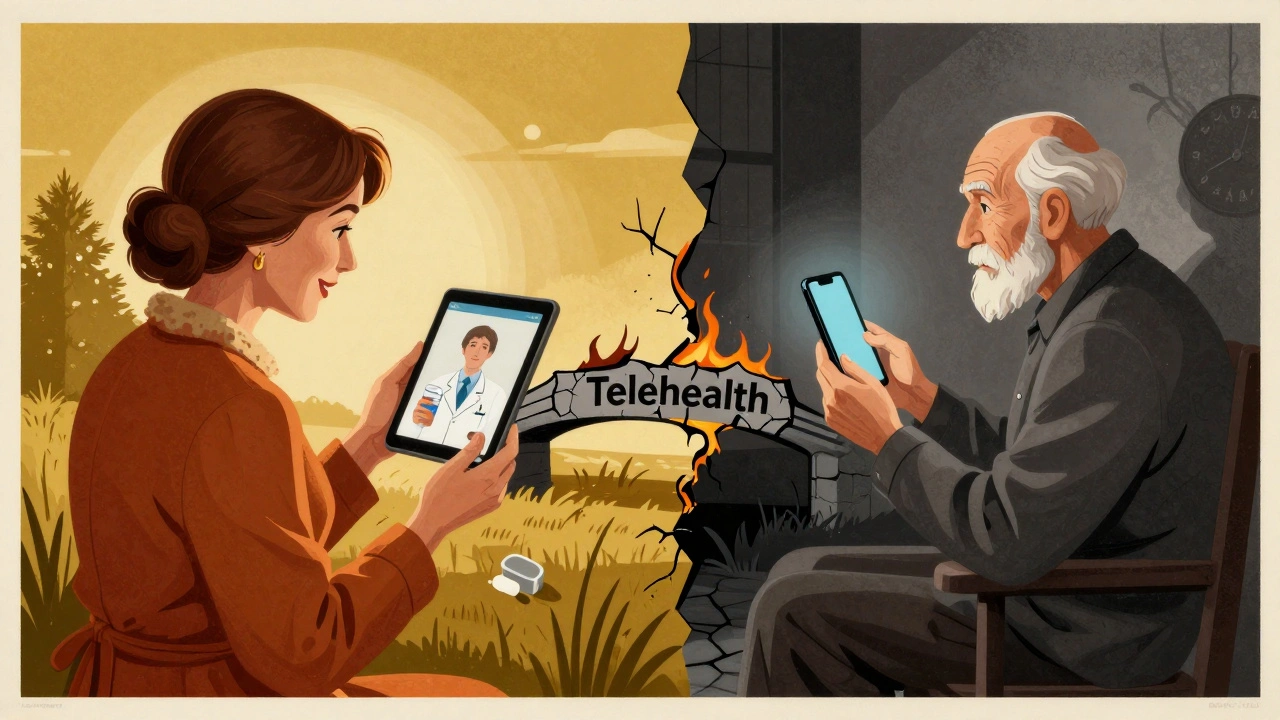
What’s Being Done Now?
The 2023 National Defense Authorization Act included new rules requiring drug manufacturers to report supply chain risks earlier. That’s a step forward. The FDA is now tracking drug inventory in real time. Some states are funding local drug safety labs to test street drugs for fentanyl. NIDA and SAMHSA are funding apps that help people find treatment, track medication use, and connect with counselors. But adoption is slow. Most of these tools are designed for tech-savvy users. They don’t work for people who don’t have smartphones-or who are too scared to use them. Harm reduction groups are adapting. Drive-through naloxone distribution. Text-based peer support. Mail-order clean needles. These aren’t glamorous solutions. But they’re saving lives.What You Can Do
If you or someone you know relies on medication, keep a 30-day supply on hand. Talk to your pharmacist about alternatives if your drug is unavailable. Don’t wait until you’re out. If you’re concerned about someone using drugs, learn how to recognize an overdose. Carry naloxone. Know where to get it-pharmacies, clinics, and some community centers give it out free. And push for change. Support policies that fund domestic drug manufacturing, expand Medicaid, and treat addiction as a health issue-not a crime. The pandemic showed us what happens when we ignore the system’s weaknesses. We can’t afford to forget.Why did drug shortages happen during the pandemic?
Drug shortages happened because the U.S. relies heavily on China and India for the raw ingredients in medications. When lockdowns hit those countries early in 2020, factories closed, shipping slowed, and workers got sick. With no backup suppliers, essential drugs like antibiotics, insulin, and ICU medications ran out. The FDA later helped by speeding up inspections and allowing emergency imports, but the system remains vulnerable.
Did all drug shortages go away after 2020?
Most prescription drug shortages returned to pre-pandemic levels by mid-2020 after FDA interventions. But the underlying problems didn’t disappear. Companies still prioritize low-cost overseas production over domestic resilience. That means another shock-like a natural disaster or geopolitical conflict-could trigger new shortages quickly.
Why did drug overdoses increase during the pandemic?
Illegal drug supplies were disrupted, so dealers cut them with fentanyl to stretch product. Fentanyl is far stronger than heroin or cocaine, and users often didn’t know they were taking it. At the same time, support services like group therapy and needle exchanges shut down. People lost access to both help and harm reduction tools, leading to more overdoses.
Was telehealth effective for addiction treatment?
For many, yes. Telehealth allowed people to get buprenorphine and counseling without leaving home, which helped those in rural areas or with mobility issues. But it didn’t work for everyone. Older adults, people without smartphones or reliable internet, and those uncomfortable with technology were left out. Plus, telehealth can’t replace the emotional support of in-person peer groups.
What’s being done to prevent future drug shortages?
The 2023 National Defense Authorization Act now requires drugmakers to report potential supply issues earlier. The FDA is also improving its tracking systems. Some states are investing in local drug testing labs and domestic manufacturing. But without financial incentives for companies to produce drugs in the U.S., the system remains at risk.

15 Comments
Sean McCarthy- 2 December 2025
Drugs vanished because we outsourced everything to China and India. No backup. No plan. Just greed. Simple as that.
Bee Floyd- 3 December 2025
It's wild how the same system that can't keep insulin on the shelf somehow finds enough fentanyl to flood every town. The market doesn't care if you live or die-only if you pay.
Jeremy Butler- 3 December 2025
The structural fragility of the pharmaceutical supply chain constitutes a profound systemic vulnerability, one which has been systematically exacerbated by neoliberal economic paradigms that prioritize cost-efficiency over public health resilience.
Shashank Vira- 4 December 2025
You think this is bad? In India, we’ve been living this for decades. The West acts shocked because it finally happened to them. We never had a safety net. You call it a crisis. We call it Tuesday.
Eric Vlach- 4 December 2025
Telehealth saved my cousin’s life but left my dad behind. He’s 72, doesn’t know how to use Zoom. His meds got cut off. No one called. No one cared. We need human contact not just apps
Souvik Datta- 6 December 2025
We can fix this. But it takes courage. Not just policy. Real investment. In local labs. In community clinics. In people who care enough to show up. The tech is ready. The will isn’t.
Irving Steinberg- 7 December 2025
Fentanyl everywhere 🤡 and people still think it’s just ‘bad drugs’? Nah. It’s capitalism with a syringe. Also why are we still using paper charts in hospitals lmao
Courtney Co- 9 December 2025
I lost my brother to this. He was just trying to cope. The system didn’t just fail him-it erased him. And now everyone’s talking about ‘policy’ like it’s a TED Talk. Where were you when he was shaking in his apartment? Where were you?
Linda Migdal-10 December 2025
We need to stop importing pharma from hostile nations. Build factories here. Hire Americans. National security issue. If China can shut off our meds, they can shut off our lives.
Tommy Walton-11 December 2025
The real villain? Pharma CEOs who took a vacation while the world burned. 🍾📉
soorya Raju-12 December 2025
This is all a psyop. The government let fentanyl in to depopulate the poor. The drug shortages? Fake news to scare you into taking the vaccine. You think they care about insulin? They care about control.
Kshitij Shah-13 December 2025
In India we make 80% of the world’s generics. But you still act like we’re magic wizards who just drop pills outta thin air. We’re not. We’re overworked, underpaid, and your meds are sitting in a Mumbai warehouse because your CEO didn’t want to pay extra.
Jaswinder Singh-14 December 2025
You people talk like this is new. My cousin died in 2017 from a fake oxycotton. No one cared then. Now you’re surprised? Wake up. This was coming. You just didn’t look.
Jack Arscott-15 December 2025
I carry naloxone now. Everyone should. It’s free at the pharmacy. Just ask. No shame. Life is worth it.
Lydia Zhang-17 December 2025
Too long didn't read. Drugs bad. China bad. Fix it.