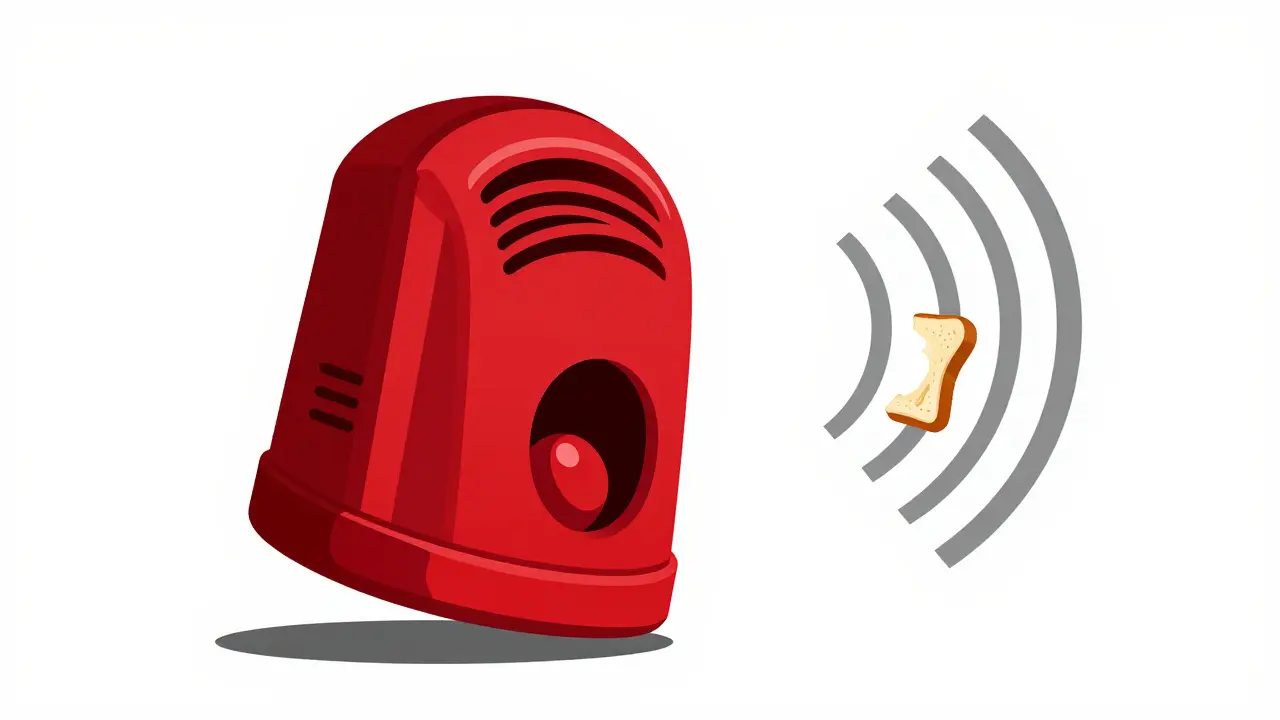
Imagine your body has a smoke alarm. Its job is to warn you when there is a fire so you can get to safety. But what happens when that alarm becomes so sensitive that it goes off because of a piece of burnt toast, or even just a humid day? That is exactly what happens in the brain of someone living with persistent pain. The alarm is screaming "Danger!", but there is no actual fire in the tissues. Pain Neuroscience Education is a therapeutic approach that teaches people how their nervous system works to help them stop fearing the pain and start moving again. Often called PNE, it shifts the focus from "what is broken in my joint" to "how is my brain processing these signals."
For too long, we were told that pain equals tissue damage. If your back hurts, something must be torn, worn down, or out of place. But the science has changed. We now know that pain is a protective output of the brain, not a direct measurement of injury. By understanding this, you can actually change the physical experience of pain in your body. It isn't about "thinking yourself better"; it's about updating the software in your brain to lower the threat level of the signals you're feeling.
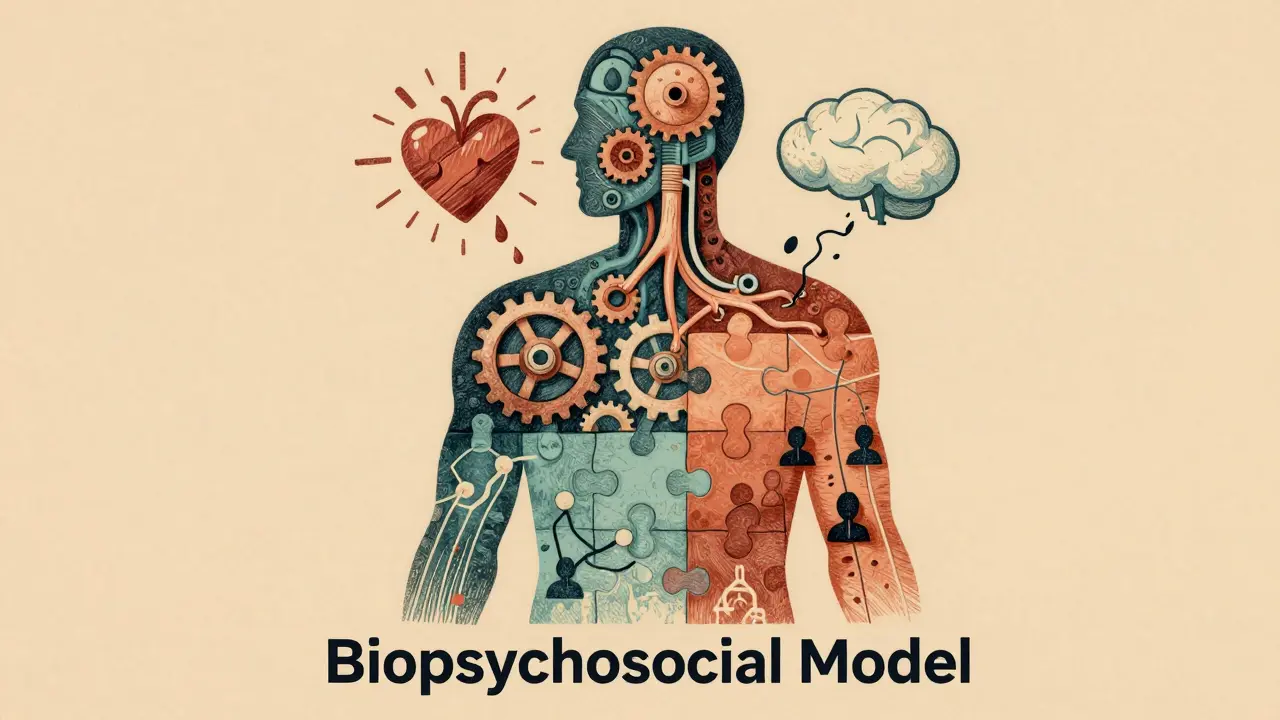
The Shift from Biomedical to Biopsychosocial
The old way of looking at pain-the biomedical model-was like looking at a car. If the engine makes a noise, you find the broken part and fix it. In the human body, however, pain is far more complex. PNE is built on the Biopsychosocial Model, which recognizes that biological factors, psychological state, and social environment all blend together to create your pain experience.
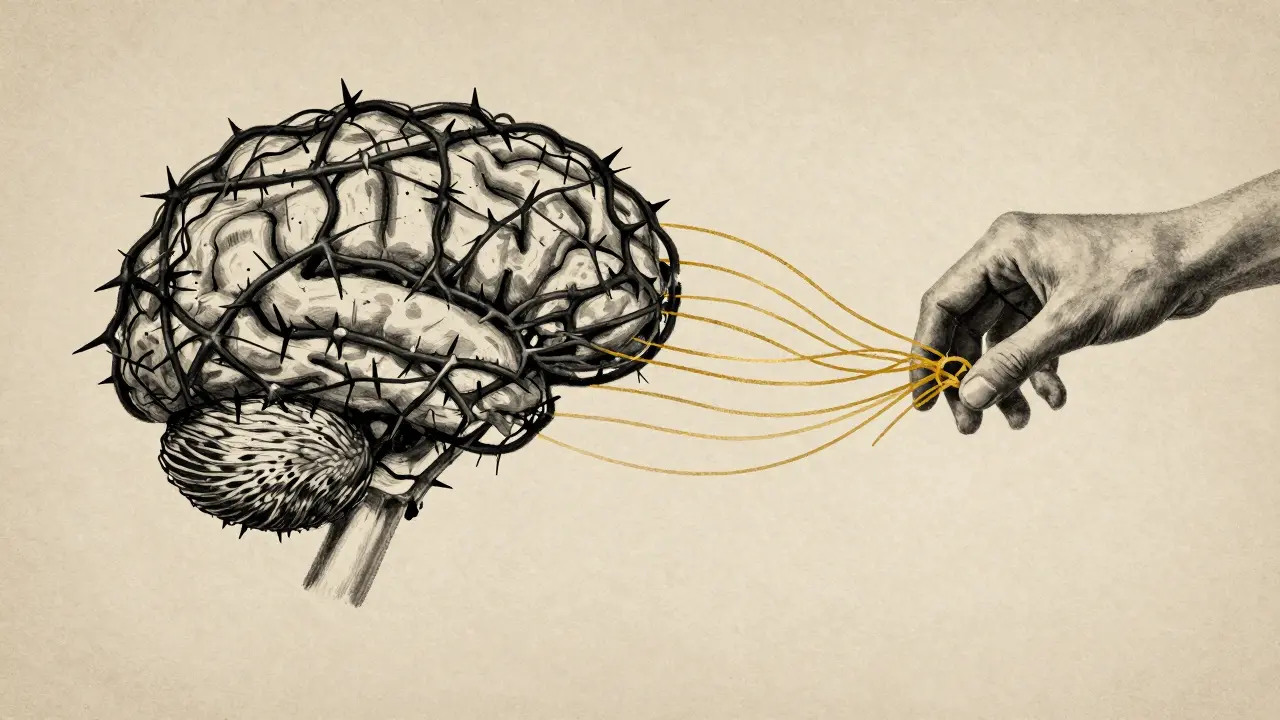
When you're told your discs are "bulging" or your joints are "bone-on-bone," it often creates a fear-avoidance loop. You stop moving because you're afraid of more damage, which makes your muscles weaker and your nervous system more sensitive. This creates a vicious cycle. PNE breaks this cycle by explaining that your body is likely healed, but your nervous system is still stuck in "high alert." This process is known as Central Sensitization, where the central nervous system stays in a state of high reactivity, lowering the threshold for what actually triggers a pain response.
How PNE Actually Works in the Brain
It sounds strange that a conversation can reduce physical pain, but the evidence is in the imaging. fMRI studies have shown that after PNE, there is a measurable reduction in activation in the insular cortex-the part of the brain that processes the intensity of pain. Essentially, by reducing the "threat value" of the pain, you decrease the activation of the amygdala (the brain's fear center) and increase the control of the prefrontal cortex.
A core concept here is Neuroplasticity, the brain's ability to reorganize itself by forming new neural connections. Just as the brain "learned" to be in pain, it can "unlearn" that sensitivity. When you realize that a sharp pain in your shoulder doesn't mean you're tearing a tendon, the brain stops perceiving a threat, and the volume on those pain signals gets turned down.
| Feature | Biomedical Education | Pain Neuroscience Education |
|---|---|---|
| Focus | Tissue damage and structural wear | Nervous system sensitivity and threat |
| Pain Meaning | "Something is broken/damaged" | "The brain is trying to protect me" |
| Typical Result | Increased fear, avoidant behavior | Increased confidence, movement |
| Goal | Fix the "part" | Reconceptualize the experience |
Putting It Into Practice: The "Explain Pain" Approach
How does this actually happen in a clinic? You won't usually find a doctor giving a formal lecture. Instead, experts like David Butler and Lorimer Moseley use the Explain Pain approach, which uses metaphors and visual aids to simplify complex neurophysiology. Instead of talking about nociceptors and axon terminals, they might talk about a "sensitive alarm system."
A typical PNE program consists of one-on-one sessions lasting about 30 to 45 minutes. The goal is to move the patient through these stages:
- De-threatening: Realizing that pain does not always equal harm.
- Reconceptualization: Understanding the biology of why the pain persists.
- Graded Exposure: Slowly introducing the movements the person was afraid of, proving to the brain that they are safe.
Research shows that PNE alone can reduce pain intensity and disability (with some seeing a 20% improvement on the Oswestry Disability Index). However, the real magic happens when you combine it with movement. When PNE is paired with therapeutic exercise or manual therapy, the positive outcomes often jump by another 30-40% because you are changing the brain's perception and the body's capacity at the same time.
Who is This For? (And Who Should Avoid It?)
PNE is a powerhouse for chronic, persistent pain. Whether it is fibromyalgia, chronic low back pain, or complex regional pain syndrome, the approach helps patients reclaim their lives. For example, a nurse with fibromyalgia might find that understanding her "over-sensitive' system allows her to reduce her medication use significantly by focusing on graded activity rather than total rest.
However, it isn't a magic bullet for everything. If you have acute pain-like a freshly broken leg or a surgical wound-PNE is less effective. In those cases, the pain is actually signaling real tissue damage that needs to heal. In these scenarios, the biomedical model is still the correct one. PNE is also challenging for those with severe cognitive impairments or very low health literacy, as the conceptual shift requires a level of abstract thinking about how the brain works.
Comparing PNE to Other Therapies
Many people ask how PNE differs from Cognitive Behavioral Therapy (CBT), which also addresses the mind-body connection. While they overlap, PNE is more focused on the specific neurobiology of pain. CBT is often better for treating comorbid depression or anxiety that accompanies pain, while PNE has shown slightly higher satisfaction rates for those specifically wanting to understand why their body hurts.
In many modern clinics, PNE has become a standard of care, appearing in nearly 70% of specialized pain management practices in the US. It is now even recognized by Medicare for reimbursement under specific evaluation codes, marking a massive shift in how the healthcare system views the "psychology" of pain-not as a side effect, but as a primary driver of the experience.
Common Pitfalls and How to Overcome Them
One of the biggest hurdles is the "immediate fix" expectation. Many patients enter the clinic wanting a quick adjustment or a pill to make the pain vanish. When a therapist starts talking about brain sensitivity, some feel dismissed, as if the provider is saying "the pain is all in your head." It is crucial to understand that PNE doesn't say the pain is imaginary; it says the pain is real, but the cause is a sensitive nervous system rather than an active injury.
Another challenge is the language used. Terms like "neuroscience" can be intimidating. The best practitioners use "pain biology" and relatable stories. If you're a patient and you feel the science is getting too heavy, ask for a metaphor. The "smoke alarm" or the "protective shield" analogies are often more helpful than a diagram of a spinal cord.
Does PNE mean my pain is psychological?
Absolutely not. PNE acknowledges that the pain you feel is 100% real. However, it teaches that the source of the pain is the way your nervous system is processing signals, rather than an ongoing injury to your tissues. It's a physiological change in the brain, not a "made-up" feeling.
How long does it take to see results from Pain Neuroscience Education?
While some people feel a shift in perspective immediately, most benefit from a series of sessions over several weeks. The goal is to gradually update the brain's belief system. When combined with graded exercise, many patients see significant functional improvements within 6 to 12 weeks.
Can I do PNE on my own?
Yes, there are books like "Explain Pain" and digital apps like "Pain Revolution" that provide the foundations. However, working with a trained physical therapist is usually more effective because they can tailor the metaphors to your specific history and guide your movement-based recovery safely.
Is PNE better than medication for chronic pain?
PNE is an excellent non-pharmacological tool that often reduces the need for medication. While meds can dampen the signal, PNE addresses the "volume knob" of the nervous system. Many patients report a reduction in opioid or analgesic use after they stop fearing movement and start understanding their pain biology.
Why doesn't PNE work for acute injuries?
In an acute injury (like a fresh sprain), the pain is actually useful-it's a warning to stop moving the joint so it can heal. Because there is active tissue damage, the biomedical model is more appropriate. PNE is designed for "persistent" pain, where the tissues have healed but the pain remains.
Next Steps for Recovery
If you're dealing with pain that has lasted more than three months, your first step should be to find a provider trained in PNE or the biopsychosocial approach. Ask them directly: "Do you use pain neuroscience education in your practice?"
If you are a clinician, start by focusing on your language. Avoid words like "degenerative," "instability," or "wear and tear," which can inadvertently increase a patient's threat level. Instead, focus on "sensitivity" and "capacity." Start introducing PNE early-ideally within the first three sessions-to set the stage for successful movement and long-term recovery.



1 Comments
Doug DeMarco-11 April 2026
This is such a game changer for anyone stuck in that fear loop! 🚀 It's all about retraining the brain to realize we're actually safe. Keep pushing forward everyone! 😊