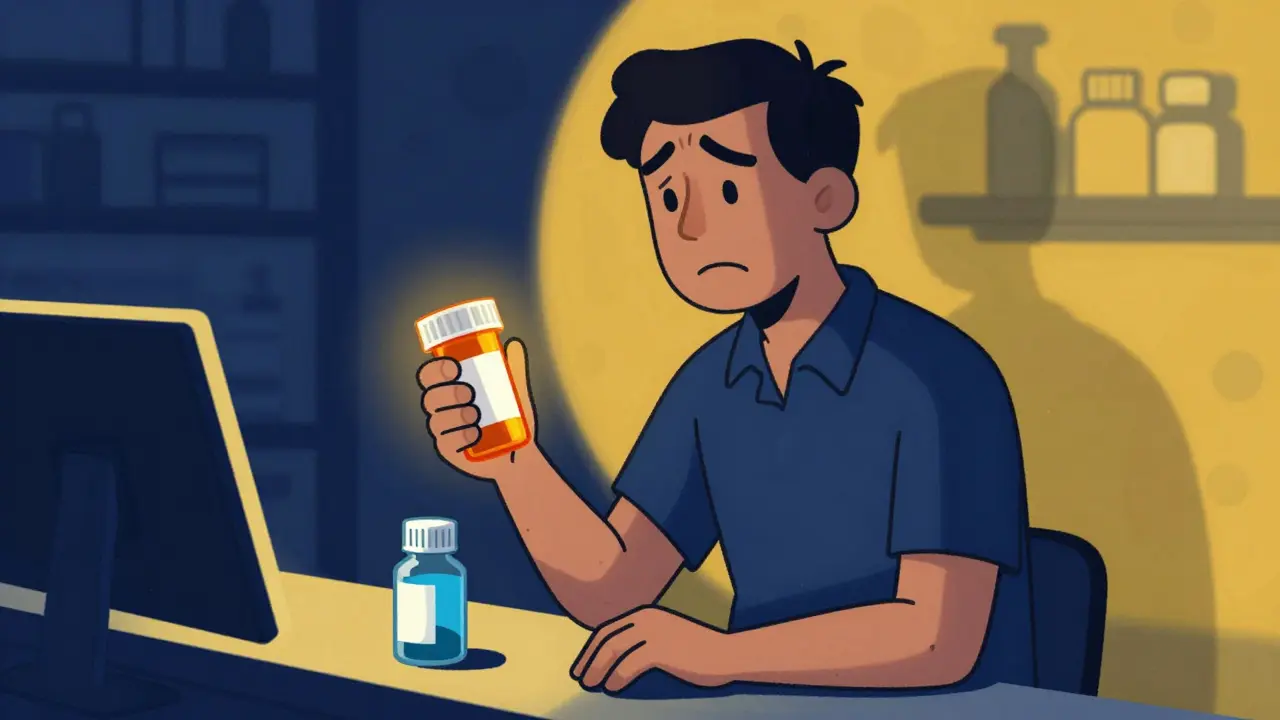
Many of us have stood in a pharmacy aisle feeling that distinct knot of anxiety when the pharmacist hands over a different bottle than expected. The label says the same thing, but the color is off, the shape is different, or maybe it just doesn't feel right. You aren't alone in that hesitation. In fact, while Patient Support Groups focused on shared experiences with generic medications are becoming vital resources, there's often confusion about what they actually offer compared to standard doctor advice. These communities bridge the gap between clinical science and daily life, helping people navigate the tricky waters of switching from brand-name to generic drugs without losing confidence in their treatment.
Understanding the Role of Community in Medication Decisions
When we talk about patient organizations, there are usually two distinct lanes. On one side, you have formal Patient Advocacy Groups (PAGs). These are typically non-profits pushing for policy changes or funding, often operating on a national level since the days of the Hatch-Waxman Act established the modern approval pathway. On the other side, you have the grassroots patient support groups we are discussing here. These are local or digital communities where real people share real outcomes.
The core job of these groups isn't to rewrite regulations, but to normalize the experience of taking affordable medicines. Data suggests that while generics make up about 90% of all prescriptions filled, resistance still lingers for the remaining 10%. This resistance often stems from emotional factors rather than medical facts. A support group acts as a buffer, translating technical terms like 'therapeutic equivalence' into stories about whether someone felt the same energy levels after a switch.
Therapeutic equivalence means a generic drug works the same way as the brand name in the body. However, knowing this statistic doesn't always stop the fear that the 'different pill' won't work. Peer validation helps. When five other members in a forum say, "I switched my statin last month and my cholesterol numbers improved anyway," it carries a different weight than a pamphlet sitting on a desk.
The Science Behind Bioequivalence
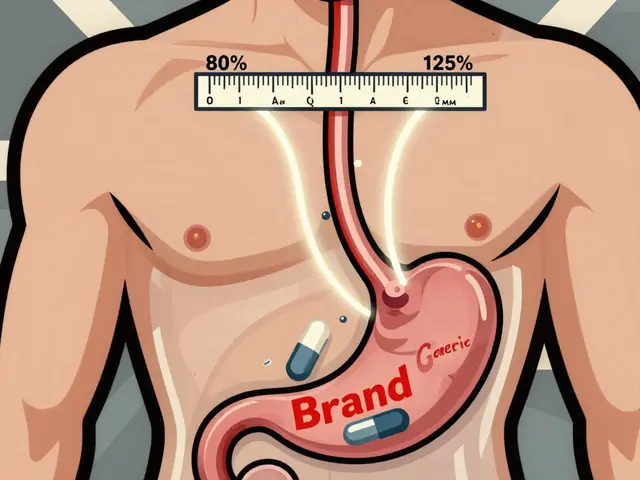
To understand why these groups focus so much on education, you need to understand the baseline science that governs these drugs. The Food and Drug Administration (FDA) mandates strict standards before any generic hits the market. Specifically, a generic must demonstrate bioequivalence within an 80% to 125% range of the brand-name drug's absorption rate.
This might sound tight, but it's designed to account for natural biological variation. Think of it like driving speed limits; small variations happen, but you stay within a safe lane. Despite this, the nocebo effect is powerful. If you expect a generic to be worse, your brain might amplify minor side effects. Structured support groups help combat this by setting realistic expectations early on.
| Aspect | Patient Perception | Clinical Reality |
|---|---|---|
| Active Ingredient | Often assumed different | Must be identical |
| Inactive Ingredients | Concerned about fillers/dyes | Vary slightly, rarely impact efficacy |
| Efficacy | Fear of reduced power | Within 80-125% bioequivalence standard |
| Cost | Sometimes viewed as "cheap" | Avg. 80-85% lower price point |
Why People Hesitate to Switch
There are legitimate reasons why patients stick to brand names even when insurance pushes back. Sometimes, inactive ingredients like lactose or dyes cause issues for sensitive stomachs, though this is less common than people think. More often, it is purely psychological. For chronic conditions requiring long-term management, such as hypertension or diabetes, consistency feels safer than risk.
Research from University of Chicago Medicine indicates that patients who participate in structured support groups show 27% higher confidence in generic medications. Why? Because these groups validate the transition period. They explain that a two-week adjustment phase is normal. Without that shared knowledge, a patient experiencing mild dizziness in week three might blame the generic drug and refuse to take it, worsening their overall health outcome.
Also, economic pressure plays a huge role. With 90% of prescriptions being generics representing only 12% of total spending, the financial relief is massive. Yet, patients in rural areas or those with low health literacy often miss out because they don't trust the switch. Support networks close this gap by offering financial advocacy alongside medical reassurance.
Benefits of Shared Experience Models
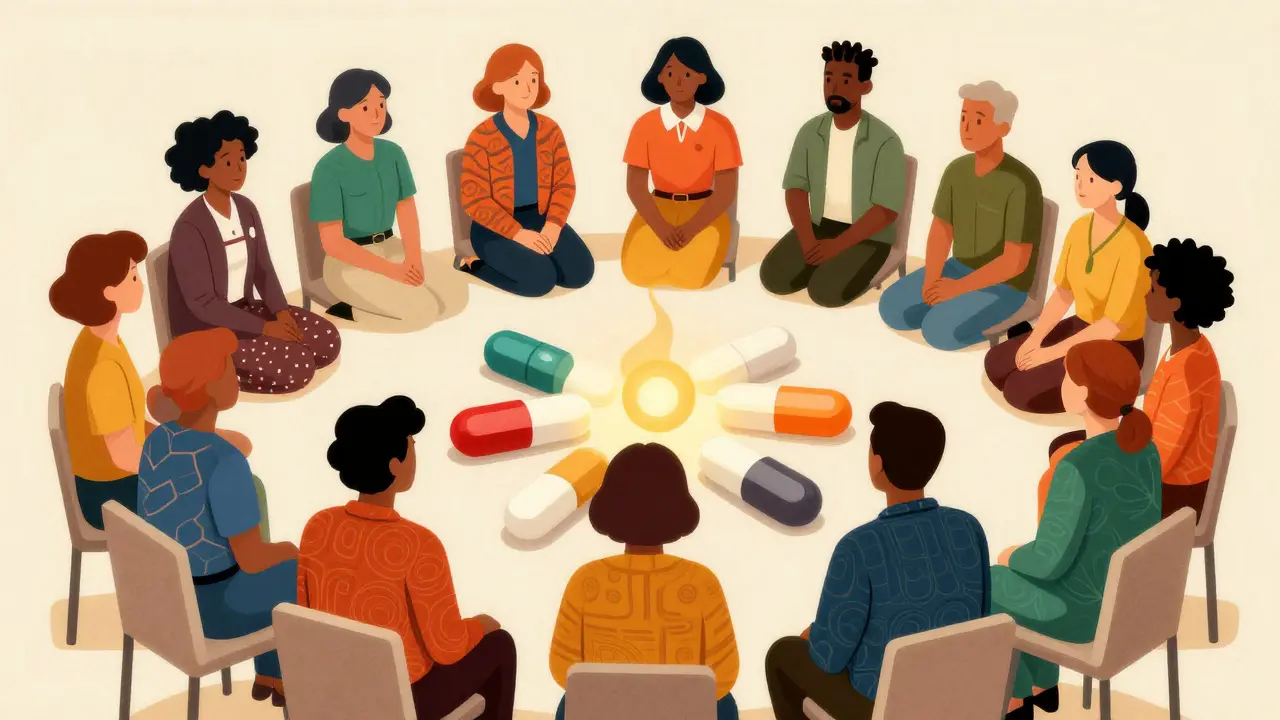
Unlike brochures provided by doctors, these groups are bidirectional. You get information, but you also contribute it. This reciprocity creates a feedback loop that benefits everyone involved. For instance, if ten members notice a specific batch of generic blood pressure medication causes unusual headaches, that data becomes anecdotal evidence that can prompt a pharmacist to check lot numbers or suggest a manufacturer swap.
Adherence is another major win. Studies show that when out-of-pocket costs drop-thanks to using generics-medication adherence goes up by 15-20%. Support groups reinforce this behavior. Seeing others save money while maintaining control of their symptoms creates a positive reinforcement cycle. It shifts the mindset from "My insurance gave me a lesser drug" to "I am managing my budget wisely without compromising care.".
Risks of Unmoderated Forums
It sounds ideal, but not every group is safe. The internet is full of health advice, and much of it is wrong. An analysis of Reddit threads revealed that roughly 34% of discussions regarding generic efficacy contained inaccurate claims. This happens most often when there is no professional oversight. Someone claiming "This new generic caused me to faint" might actually have been skipping doses due to cost, misattributing the cause.
This is why quality matters. Look for groups that incorporate verification protocols. Certified groups partner with pharmacists to cross-reference personal stories with peer-reviewed studies. For example, if a member claims a generic antiepileptic failed, a verified group would guide them to look at the specific FDA approval history of that drug before assuming failure. Without this guardrail, misinformation spreads fast, and patients lose trust in a system that is otherwise safe and effective.
Finding the Right Community
So, how do you distinguish the helpful groups from the risky ones? Start with the affiliation. Effective groups often have ties to recognized bodies like the American College of Physicians or condition-specific foundations. They should have clear guidelines on medical advice boundaries. A good moderator never tells you to stop a medication; they tell you to call your doctor.
Also, consider the platform. Digital platforms like PatientsLikeMe allow for data aggregation, making it easier to spot trends. However, local in-person workshops hosted by community health centers remain incredibly effective, especially for older demographics or those without reliable internet access. Rural communities, specifically, benefit from these physical touchpoints where transportation barriers limit regular clinic visits.
Next Steps for Patients and Caregivers
If you are considering joining a group or starting one, aim for integration. The best outcomes come when support group insights connect with clinical care. Ask your provider if they recommend specific resources. Many hospital systems now refer patients to verified digital hubs where they can discuss concerns anonymously.
For those leading groups, establish a buddy system. Pair new members hesitant about generic switches with veterans who successfully made the jump. Documenting success stories creates a library of evidence that grows stronger over time. Ultimately, the goal is simple: ensure every person gets the medicine they need without unnecessary cost or anxiety.
Are generic drugs always the same as brand names?
They contain the same active ingredient and meet strict bioequivalence standards set by the FDA, typically falling within an 80-125% range for absorption. While active ingredients are identical, inactive fillers or colors may differ slightly.
Can patient support groups give medical advice?
Reputable groups avoid giving direct medical advice. Instead, they facilitate experience-sharing and encourage participants to consult healthcare professionals for dosage changes or specific side effect management.
Why do some people feel differently on generics?
This is often due to the nocebo effect (expecting negative results) or sensitivity to different inactive ingredients like dyes. True therapeutic failure is rare when FDA-approved generics are used correctly.
How do I find a verified support group?
Look for groups affiliated with major medical associations, pharmaceutical alliances, or hospital systems. Check if they have moderation policies and professional oversight to prevent misinformation.
Do online groups count as valid research data?
Organized patient reporting can provide valuable real-world evidence, and initiatives like the FDA's Patient Experience Metrics program are formalizing ways to use this insight in development.


9 Comments
sanatan kaushik-30 March 2026
I understand that fear because I felt it too when I got the blue pill instead of white one last year. It made me worry about my heart even though the doctor said it was fine. Sometimes the packaging feels wrong and your mind jumps to bad conclusions. The color difference triggers a psychological response that doctors forget to address. We need to talk about how the look of the bottle changes feelings. People ignore the science because the feeling of safety is gone. My family stopped taking meds sometimes because the shape looked cheap. This needs to be fixed by the companies making them. We need consistency in what we see every day.
Ruth Wambui- 1 April 2026
They change the dye to track consumption patterns through mass spectrometry in waste streams 💉🧪 Nobody talks about how the chemical signatures shift slightly to identify batches for corporate analytics 📊 The pharmaceutical giants use visual markers as hidden tags for surveillance 🕵️♀️ It is not just about cost cutting strategies 🛑 They want to monitor who takes what and when via spectral imaging technology 🔬 Your privacy disappears when you swallow those colored capsules 🚫 We are living in a chemically tagged society now and it is terrifying ⚠️
Rick Jackson- 2 April 2026
Trust is fragile in medical systems today.
Beccy Smart- 3 April 2026
Oh please stop complaining about everything 🙄 You are just being difficult and it shows 🚫💊 Health is spiritual too not just chemical facts 🧘♀️ You need to clean up your energy vibrations ✨😇 Stop letting big pharma scare you with scary words 🚫👹 Your mindset is toxic to your actual body function 😤 Read the signs and accept the gifts 🎁💖 Peace and love always wins 🕊️😇
Christopher Curcio- 4 April 2026
The bioequivalence margin is crucial for understanding therapeutic outcomes. Most patients ignore the Cmax data completely when reading labels. Area under the curve matters more here than peak levels usually. Pharmacokinetics dictate the absorption rate significantly in most scenarios. We see fluctuations in gastric pH affecting dissolution profiles repeatedly. Salt forms vary between manufacturers often without disclosure. Excipients like magnesium stearate play a role in stability issues. Particle size distribution impacts solubility rates within the gut lining. In vitro testing predicts clinical performance reasonably well overall. Therapeutic window margins determine safety buffers for every prescription. Narrow index drugs require tighter controls usually due to toxicity risks. Statistical analysis of variance drives approval standards globally. Real world evidence supports these technical findings mostly in studies. Nocebo responses skew subjective outcome reports frequently. Clinician education bridges the gap effectively between lab and patient. Patient compliance improves with proper dosing guidance consistently. Adherence metrics show improvement when expectations align with pharmacology.
Angel Ahumada- 5 April 2026
you think science solves everything but the soul of medicine is forgotten by these metrics people focus on numbers not experience which is wrong really the intellect fails to grasp the essence of healing art you ignore the deeper connection needed between provider and receiver of care mere statistics cannot measure the humanity required in healing processes we become detached from life itself when we obsess over percentages only death lies at the end of cold calculation
Carolyn Kask- 5 April 2026
Foreign generics are trash compared to our FDA approved standards obviously nobody else cares about safety like we do. Why would you trust random groups when our system works perfectly here. Other countries cut corners and get sick while we maintain quality control. You act like the experts know nothing but they know best. Americans are smart enough to pick the right meds without help. This panic is just a sign of ignorance regarding American superiority in medicine.
Katie Riston- 7 April 2026
The philosophical underpinning of healthcare relies on shared belief systems fundamentally. When institutions erode trust then individuals suffer psychologically in silence. Community support acts as a buffer against systemic failure modes effectively. We must consider the epistemological value of anecdotal testimony seriously. Experience constitutes a form of knowledge that data cannot capture entirely. Subjective reality influences physiological outcomes through neurochemical pathways constantly. Therefore peer validation serves a functional purpose beyond simple social bonding. It reinforces agency within a deterministic medical framework uniquely. Patients regain control over their narrative during illness episodes specifically. This empowerment counters the alienation inherent in modern clinical encounters deeply. Shared stories create a collective consciousness regarding treatment efficacy globally. That collective awareness stabilizes expectations for new medication switches locally. Anxiety reduction allows for more accurate symptom reporting later on. We need to acknowledge the validity of emotional processing in recovery fully. Ignoring the human element leads to preventable adverse events statistically. Ultimately the group dynamic fosters resilience in vulnerable populations worldwide.
Jonathan Sanders- 8 April 2026
This whole situation makes me feel absolutely terrible for everyone involved.