Herbal Supplements: What Works, What Doesn't, and What to Watch For
When people talk about herbal supplements, plant-based products used to support health or treat symptoms. Also known as natural remedies, they're often chosen because they feel more "natural" than pills from a pharmacy. But "natural" doesn’t mean safe or effective. Millions take them for sleep, stress, pain, or energy—but many don’t know what’s actually in the bottle or how it might interact with their other meds.
Dietary supplements, products taken to add nutrients or support bodily functions like echinacea, turmeric, or melatonin are sold everywhere—from gas stations to grocery shelves. But unlike prescription drugs, they don’t need FDA approval before hitting the market. That means companies can make claims without proving them. A 2023 study found nearly 1 in 4 herbal products didn’t contain the herb listed on the label. Some had fillers, contaminants, or even hidden pharmaceuticals. That’s not just misleading—it’s dangerous.
Herbal medicine, the traditional use of plants for healing has roots in cultures worldwide, but modern use often strips away context. In traditional systems, herbs are chosen based on individual symptoms, season, and body type. Today, most people grab a bottle because they saw an ad. St. John’s wort might help mild depression, but it can wreck your birth control or blood pressure meds. Kava might ease anxiety—but it’s been linked to liver damage. And if you’re on blood thinners, ginkgo or garlic supplements could put you at risk for bleeding.
What you’ll find in the posts below isn’t a list of miracle cures. It’s real talk about what’s backed by science, what’s risky, and what you should ask your pharmacist before taking the next capsule. You’ll see how some herbal products show up in clinical studies—sometimes helping, sometimes hurting. You’ll learn how to spot misleading labels, what to watch for if you’re on other meds, and why some "natural" solutions are worse than nothing.
Herbal supplements aren’t the enemy. But treating them like harmless candy is. The truth is, they’re powerful. And like any medicine, they need respect—not just a Google search and a click.
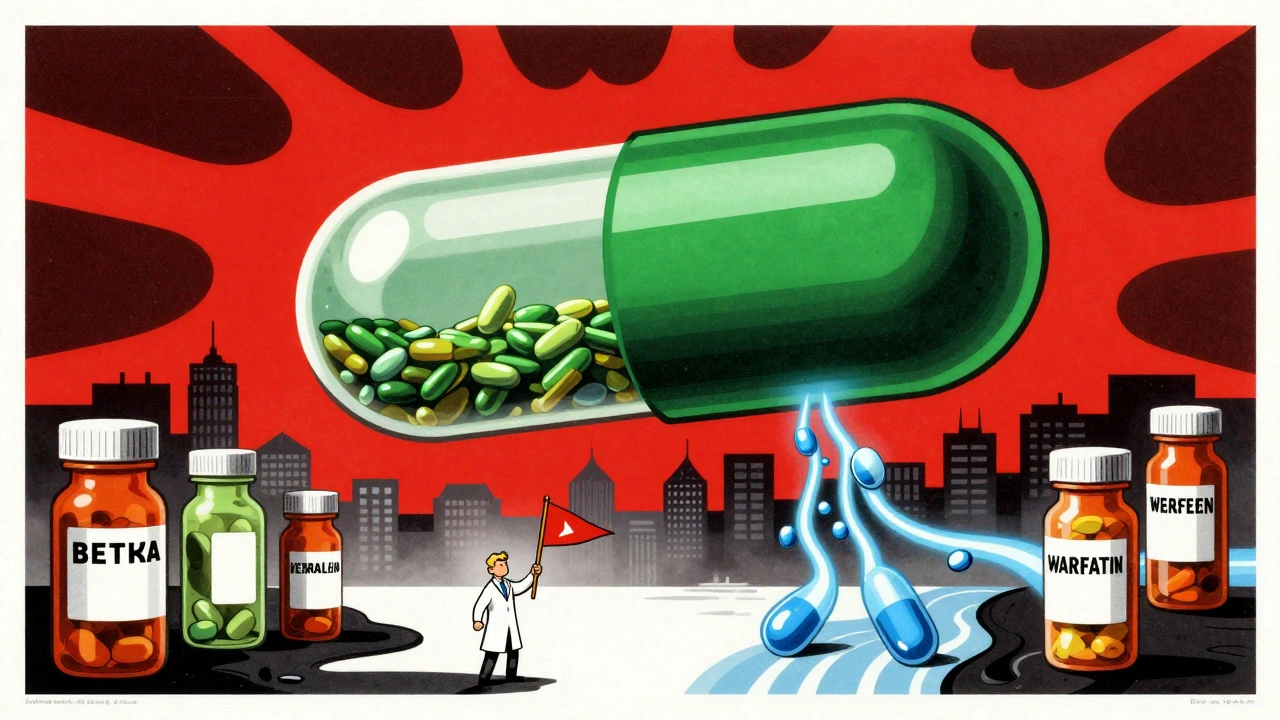
Green Tea Extract and Medication Interactions to Watch
Green tea extract can interfere with medications like blood pressure drugs, statins, and chemotherapy. Learn which interactions are dangerous, why supplements are riskier than tea, and what to do if you're taking both.