Hyperpigmentation in Skin of Color: Causes, Treatments, and What Actually Works
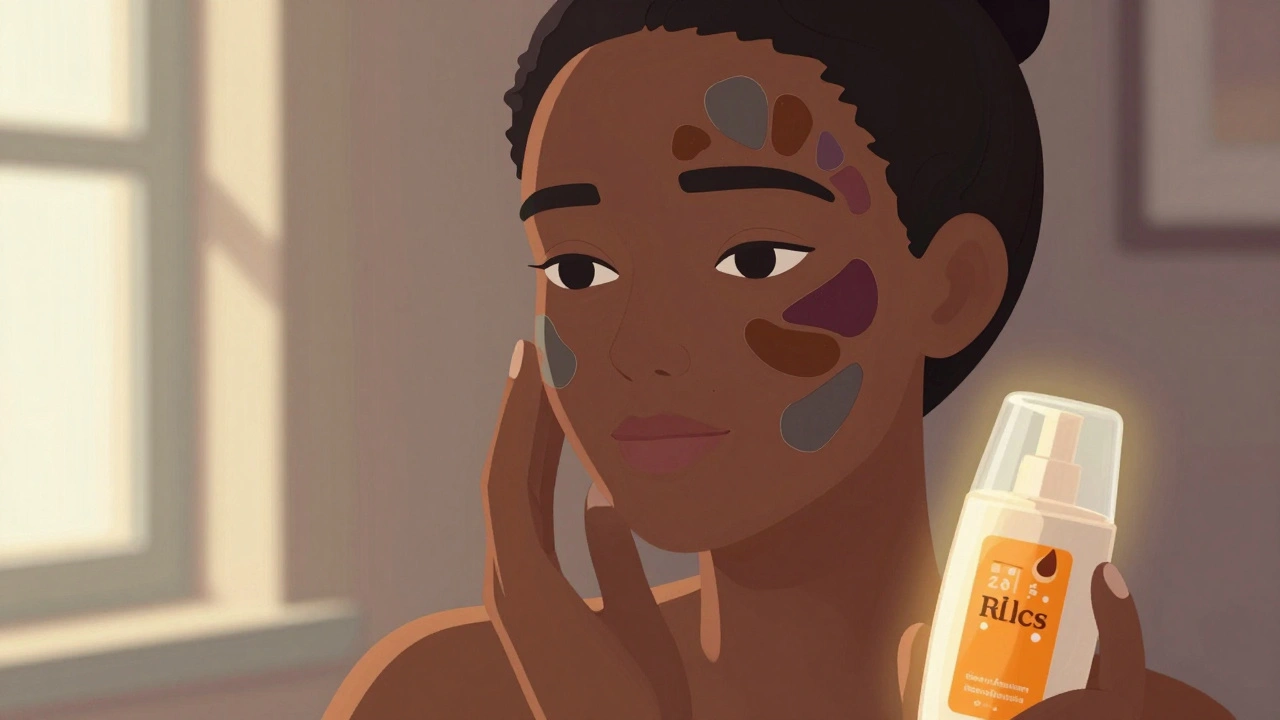
When we talk about hyperpigmentation skin of color, a common skin condition where patches of skin become darker than surrounding areas due to excess melanin. Also known as post-inflammatory hyperpigmentation, it’s not just a cosmetic issue—it’s a frequent concern for people with darker tones, often triggered by acne, cuts, rashes, or even friction from clothing. Unlike lighter skin, where redness fades quickly, dark skin holds onto those marks longer because melanocytes—cells that make pigment—are more active and sensitive to inflammation.
This isn’t just about sun exposure. While UV rays can make it worse, the real driver is often post-inflammatory hyperpigmentation, dark spots left behind after skin injury or irritation. Think acne scars, razor bumps, eczema flare-ups, or even aggressive chemical peels. These triggers cause melanin to overproduce and cluster in specific areas, leaving behind stubborn brown or gray patches that can last months or years. Many treatments fail because they target only surface color, not the root cause: inflammation and melanin overactivity.
What works? Not everything marketed for "brightening" is safe or effective for darker skin. Hydroquinone, once the gold standard, carries risks like ochronosis if misused. Safer options include niacinamide, a vitamin B3 derivative that reduces melanin transfer to skin cells, azelaic acid, and low-dose retinoids—all proven to fade marks without thinning the skin. Sunscreen isn’t optional; it’s non-negotiable. Even brief sun exposure can reignite dark spots. Look for broad-spectrum SPF 30+ with iron oxides, which block visible light that worsens pigmentation in darker tones.
And here’s something rarely discussed: some medications can make hyperpigmentation worse. Certain antibiotics, antimalarials, and even hormonal treatments can trigger or amplify dark spots in people with skin of color. If you’re seeing new patches after starting a new pill, talk to your doctor—not just a dermatologist, but someone who understands how drugs interact with melanin-rich skin.
What you’ll find in the posts below isn’t a list of miracle creams or influencer hacks. It’s real, evidence-based info on how medications and everyday health choices connect to skin tone changes. You’ll see how diabetes meds affect skin, why some antibiotics cause discoloration, and how simple steps like proper wound care or avoiding harsh scrubs can prevent dark spots before they start. No fluff. No promises of quick fixes. Just what actually helps—and what to avoid.
Skin of Color Dermatology: Managing Hyperpigmentation and Keloids
Hyperpigmentation and keloids are common, often misunderstood skin conditions in people with darker skin tones. Learn what causes them, why they’re harder to treat, and how to manage them safely and effectively.