Low Blood Sugar: Causes, Symptoms, and How Medications Can Trigger It
When your blood sugar drops too low, your body doesn’t have enough fuel to function properly. This condition, called hypoglycemia, a medical condition where blood glucose levels fall below 70 mg/dL, often triggering physical and mental symptoms. Also known as low blood sugar, it’s not just a problem for people with diabetes—it can happen to anyone, especially when taking certain medications. You might feel shaky, sweaty, confused, or suddenly hungry. In severe cases, it can lead to seizures, loss of consciousness, or even coma. Many people dismiss these signs as just being "hangry," but untreated hypoglycemia is a medical emergency.
One of the most common hidden causes is metoprolol, a beta blocker used to treat high blood pressure and heart conditions. Beta blockers can mask the usual warning signs of low blood sugar, like a racing heart or trembling. If you have diabetes and take metoprolol, you might not feel your blood sugar dropping until it’s dangerously low. That’s why checking your glucose regularly isn’t optional—it’s lifesaving. Other medications, like insulin or sulfonylureas, directly lower blood sugar, but even antibiotics, antidepressants, and some heart drugs can interfere with how your body manages glucose.
It’s not just about what you take—it’s also about what you don’t eat. Skipping meals, drinking alcohol on an empty stomach, or over-exercising without adjusting your food or meds can all trigger low blood sugar. Older adults, people with kidney problems, or those on multiple medications are at higher risk. The good news? It’s preventable. Knowing your triggers, carrying fast-acting sugar like glucose tablets or juice, and talking to your pharmacist about your full med list can make all the difference.
Below, you’ll find real-world guides on how specific drugs affect blood sugar, what to watch for when symptoms are hidden, and how to manage your meds safely without risking a crash. Whether you’re managing diabetes, taking beta blockers, or just wondering why you feel off after lunch, these posts give you the clear, practical info you need to stay in control.
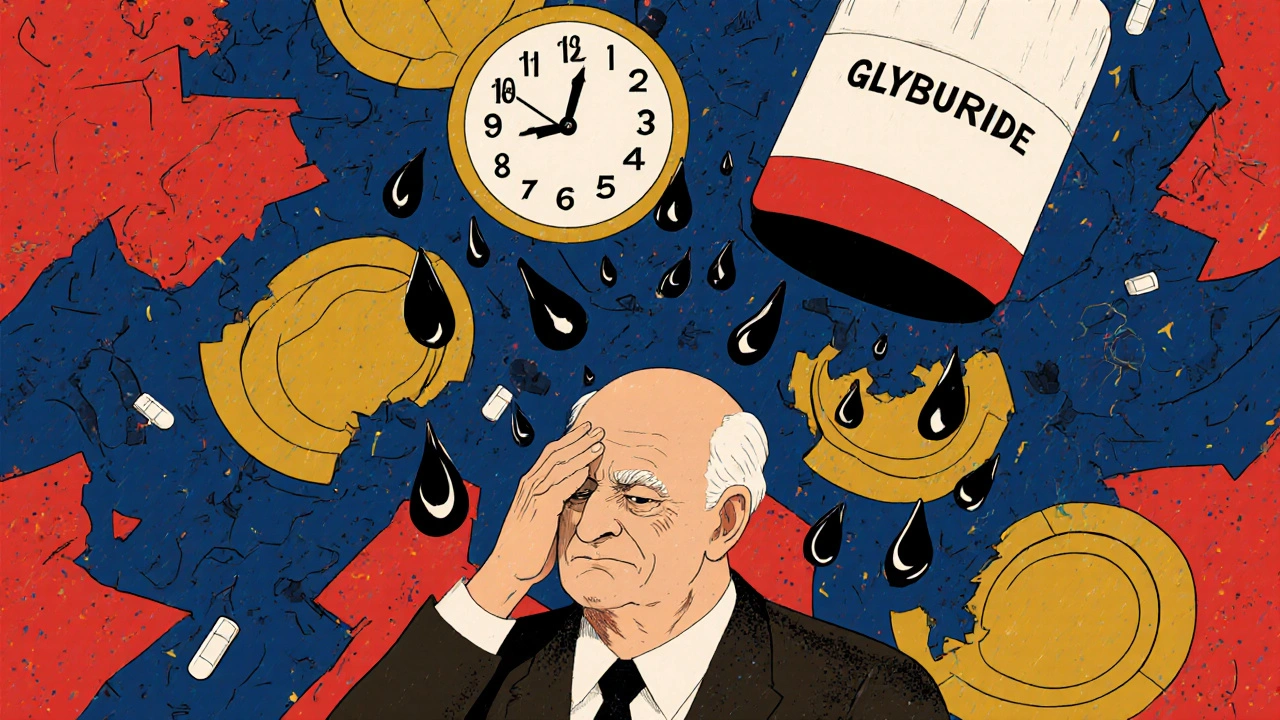
Sulfonylureas and Hypoglycemia: How to Lower Your Risk of Low Blood Sugar
Sulfonylureas effectively lower blood sugar but carry a high risk of dangerous hypoglycemia. Learn how to reduce your risk by choosing safer drugs, using CGMs, and adjusting doses based on genetics and lifestyle.