Melasma Treatment: Effective Options and What Actually Works
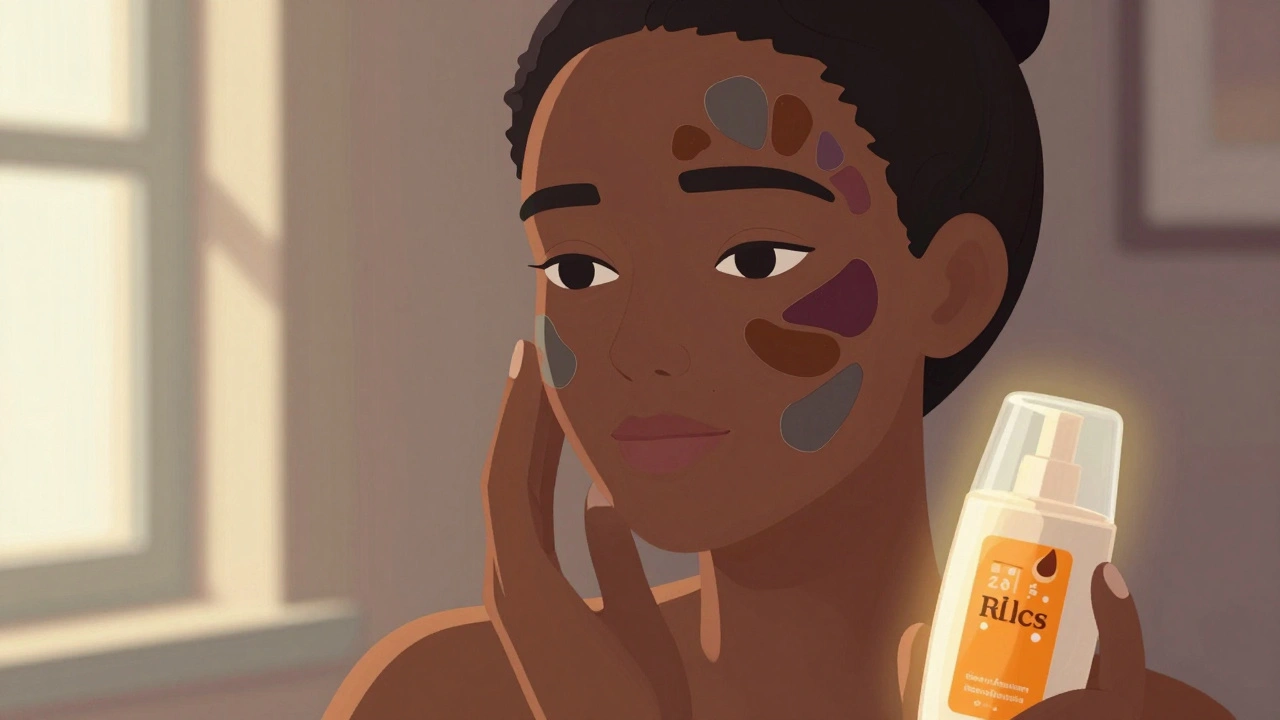
When dark patches show up on your face—especially on the cheeks, forehead, or upper lip—you’re likely dealing with melasma, a common skin condition that causes brown or gray-brown patches due to overactive pigment cells. Also known as chloasma, it’s not dangerous, but it can be frustratingly stubborn and affects mostly women, especially during pregnancy or while on hormonal birth control. Unlike regular sun spots, melasma doesn’t fade with time unless you tackle the root causes.
What makes melasma tricky is that it’s triggered by more than just the sun. Hormones play a big role, which is why it often shows up during pregnancy (called the "mask of pregnancy") or after starting birth control pills. But even if you’re not on hormones, sun exposure, the main driver of pigment production in the skin will make it worse. Skip sunscreen and your melasma will come back faster, no matter how good your treatment is. That’s why daily broad-spectrum SPF 30+ isn’t optional—it’s the foundation of every successful melasma treatment.
There are several proven options, but not all work for everyone. Topical creams like hydroquinone, a skin-lightening agent that blocks pigment production are often the first line of defense. It’s effective, but long-term use can irritate skin or cause rebound darkening. Alternatives like azelaic acid, kojic acid, or tranexamic acid (topical or oral) are gentler and work well for sensitive skin. Chemical peels and laser treatments exist too, but they’re risky if not done right—poorly timed lasers can make melasma darker, not lighter. The key is consistency and patience. Results take months, not weeks.
What most people don’t realize is that melasma treatment isn’t just about creams or procedures. It’s about lifestyle. Stress, lack of sleep, and even certain cosmetics can worsen it. If you’re using heavy makeup or products with fragrances, they might be irritating your skin and fueling the problem. And if you’re taking hormonal meds, talk to your doctor about alternatives. Melasma often improves after stopping birth control or after pregnancy, but only if you protect your skin in the meantime.
There’s no magic cure, but there are real, science-backed ways to fade those patches and keep them away. Below, you’ll find posts that break down exactly what works—whether it’s the right topical, the safest laser protocol, or how to avoid the common mistakes that make melasma worse. No fluff. No hype. Just what you need to know to get clearer skin.
Skin of Color Dermatology: Managing Hyperpigmentation and Keloids
Hyperpigmentation and keloids are common, often misunderstood skin conditions in people with darker skin tones. Learn what causes them, why they’re harder to treat, and how to manage them safely and effectively.