Metformin Combination: What Works, What to Watch For
When you're managing type 2 diabetes, metformin combination, a treatment approach that pairs metformin with another diabetes drug to improve blood sugar control. It's the most common starting point for many patients because metformin is effective, affordable, and rarely causes low blood sugar on its own. But metformin doesn’t always do enough by itself. That’s where sulfonylureas, a class of drugs that force the pancreas to release more insulin come in. Drugs like glipizide or glyburide are often added when metformin alone isn’t cutting it. But here’s the catch: they can drop your blood sugar too low. That’s why many doctors now prefer pairing metformin with newer options that don’t carry that risk.
GLP-1 agonists, medications like semaglutide or liraglutide that help your body make insulin only when needed and slow digestion are becoming the go-to partners for metformin. They don’t cause hypoglycemia, often help with weight loss, and even protect your heart. Then there’s SGLT2 inhibitors, drugs like empagliflozin that make your kidneys flush out extra sugar through urine. These also lower heart failure risk and help with blood pressure. Both types are used more now because they do more than just lower glucose—they protect your body long-term.
Not every combination is right for everyone. If you’re older or have kidney issues, some combinations may be risky. Metformin itself needs kidney checks, and adding certain drugs can make that more complicated. Also, if you’re taking multiple pills, watch out for double ingredients—some combo pills include metformin with another drug you might already be taking separately. That’s how accidental overdoses happen. Always check what’s in each pill, even if your doctor prescribed it.
People often stop taking their meds because of side effects—bloating, nausea, or frequent bathroom trips. But that doesn’t mean the combo isn’t working. Sometimes, starting low and going slow helps. Other times, switching to a different partner drug makes all the difference. Talk to your pharmacist. They see what you’re taking every day and can spot issues your doctor might miss.
Below, you’ll find real-world guides on how these combinations actually play out in daily life. From how to handle low blood sugar with sulfonylureas to why GLP-1 drugs are changing outcomes for people with diabetes and heart disease. You’ll also see how monitoring, timing, and even your diet can make or break a metformin combination. No fluff. Just what you need to know to stay safe and in control.
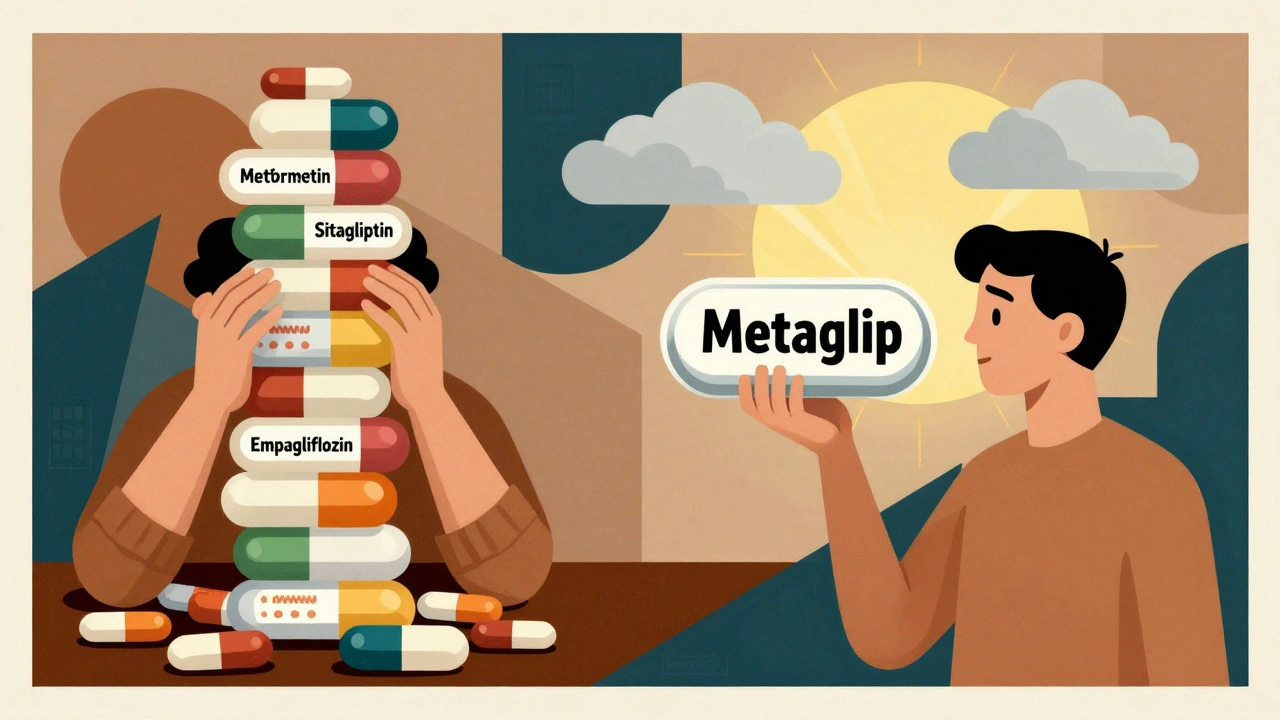
Diabetes Combination Medications: Generic Options and When Substitution Works
Discover which diabetes combination medications have generic versions, how to safely switch, and when to stick with brand-name drugs. Save money without risking your blood sugar control.