Opioid Overdose: Signs, Risks, and What to Do in an Emergency
When someone experiences an opioid overdose, a life-threatening condition caused by too much opioid in the body, leading to stopped breathing and unconsciousness. Also known as opioid poisoning, it happens when the brain’s breathing control center shuts down — often silently, and often at home. It’s not just about heroin anymore. Fentanyl, prescribed painkillers, and even counterfeit pills laced with it are behind most overdose deaths today.
Knowing the signs can mean the difference between life and death. Slowed or stopped breathing, blue lips or fingernails, unresponsiveness, and gurgling sounds are red flags. Many people wait too long because they think the person is just asleep or drunk. But with opioids, every minute counts. That’s why naloxone, a fast-acting medication that reverses opioid effects by kicking opioids off brain receptors. Also known as Narcan, it’s now available over the counter in most states and can be carried like an EpiPen. Keeping it on hand — at home, in cars, or with friends who use opioids — isn’t just smart, it’s essential.
People often think opioid overdose only happens to those with addiction. But it also strikes those taking prescribed meds exactly as directed, especially when mixed with alcohol, benzodiazepines, or even certain antibiotics. The risk spikes when someone stops using for a while — their tolerance drops, and a dose they once handled becomes deadly. fentanyl, a synthetic opioid 50 to 100 times stronger than morphine, often hidden in other drugs without the user’s knowledge. Also known as synthetic opioid, it’s behind most recent overdose spikes in the U.S. You can’t tell by looking. A pill that looks like oxycodone might be pure fentanyl. That’s why drug checking strips and harm reduction programs matter.
Prevention isn’t just about avoiding drugs. It’s about knowing how to respond. Learn how to use naloxone. Call 911 even if you give naloxone — overdoses can return. Stay with the person until help arrives. Many states have Good Samaritan laws that protect you from prosecution if you call for help. And if you or someone you care about uses opioids regularly, talk to a doctor about safer alternatives, medication-assisted treatment, or how to reduce risk.
The posts below give you real, practical tools: how to spot an overdose before it’s too late, where to get naloxone for free, how to talk to a loved one about their use, and what newer medications like buprenorphine can do to help. No judgment. Just facts. And maybe, just maybe, a way to save a life.
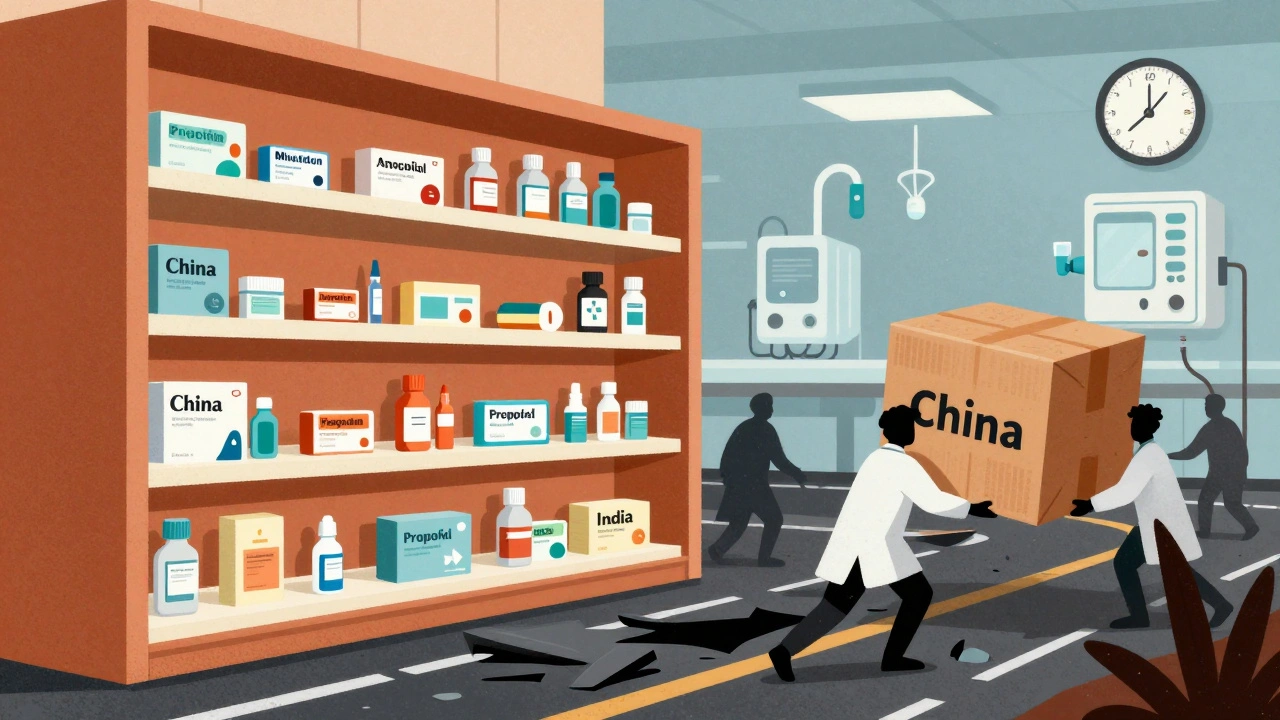
How COVID-19 Disrupted Drug Availability and Created Lasting Shortages
The COVID-19 pandemic caused severe drug shortages and a surge in deadly overdoses. Essential medications vanished as global supply chains broke down, while illicit drugs became more potent with fentanyl. Telehealth helped some, but left others behind.