Generic vs Brand Medications: What You Really Need to Know
When you pick up a prescription, you might see two options: the brand-name pill you’ve heard of, or a cheaper generic version. But are they really the same? Generic medications, are FDA-approved copies of brand-name drugs that contain the same active ingredient, strength, and dosage form. Also known as generic drugs, they work the same way in your body—just without the marketing budget. The FDA requires them to be bioequivalent, meaning they deliver the same amount of medicine into your bloodstream at the same rate. So if your doctor says it’s safe to switch, it usually is.
But here’s what most people don’t realize: the difference between brand name drugs, the original versions developed by pharmaceutical companies after years of research and clinical trials and generics isn’t about effectiveness—it’s about money and timing. Drug patents, legal protections that give companies exclusive rights to sell a drug for 20 years are the reason generics don’t show up right away. Once the patent expires, other manufacturers can produce the same drug, and prices drop fast. That’s how the Hatch-Waxman Act, a U.S. law that balances innovation with access by speeding up generic approval changed the game. It lets generics enter the market without repeating expensive clinical trials, making treatments like metformin or lisinopril affordable for millions.
Some people worry about side effects or how quickly generics work. But studies show no meaningful difference in outcomes for most conditions. If you’re taking a diabetes combo pill or a blood pressure med, switching to generic can save you hundreds a year—with no drop in control. That’s not a gamble; it’s science. The only times you might stick with brand? When the drug has a narrow therapeutic window (like warfarin or thyroid meds) or if you’ve had a reaction to a specific filler in a generic version. Even then, your pharmacist can often find a different generic that works better.
You’ll find real stories in the posts below—like how people saved money on diabetes meds without risking their numbers, or why some folks had to switch back after a generic caused unexpected side effects. There’s also deep dives into how patent laws delay cheaper options, and how automated refills make sticking with generics easier than ever. Whether you’re managing chronic pain, diabetes, or just trying to cut costs, understanding the real difference between generic and brand isn’t about chemistry—it’s about knowing your rights, your options, and when to ask for a change.
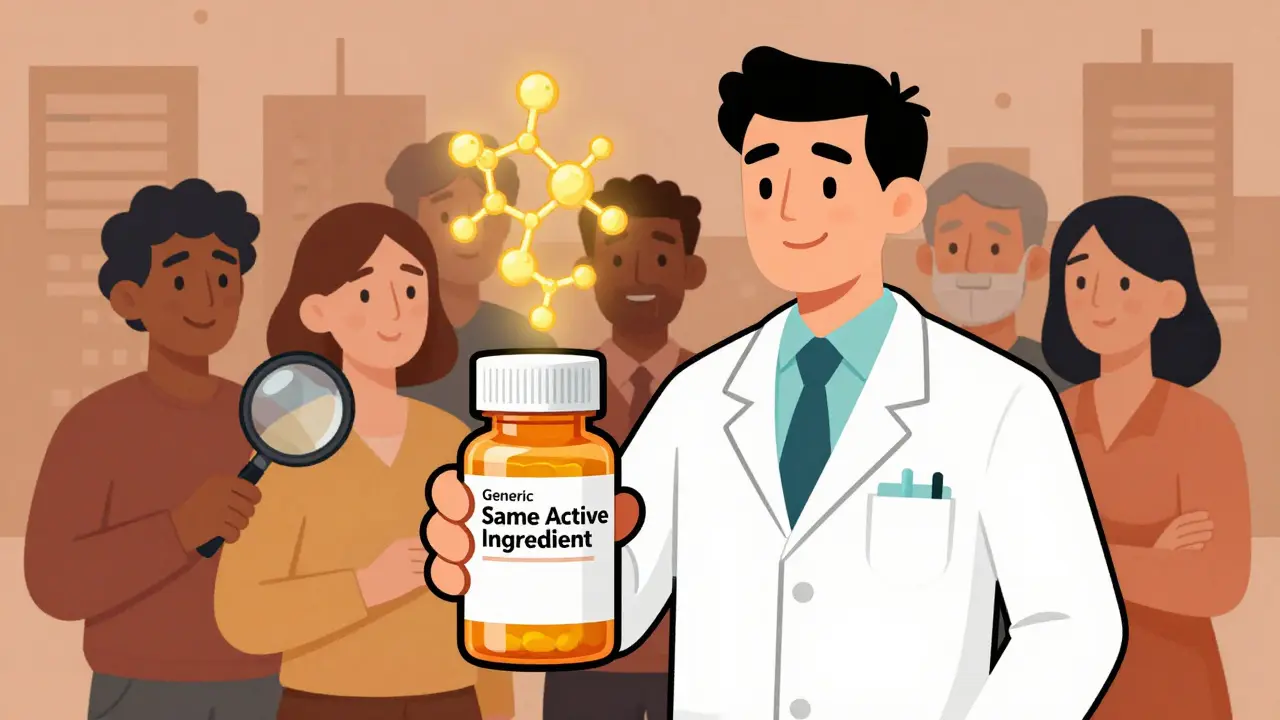
How to Build Patient Confidence in Generic Medications: Proven Strategies Based on Research
Generic medications save billions but face patient skepticism. Research shows clear, honest communication from doctors and pharmacists is the most effective way to build trust and improve adherence.
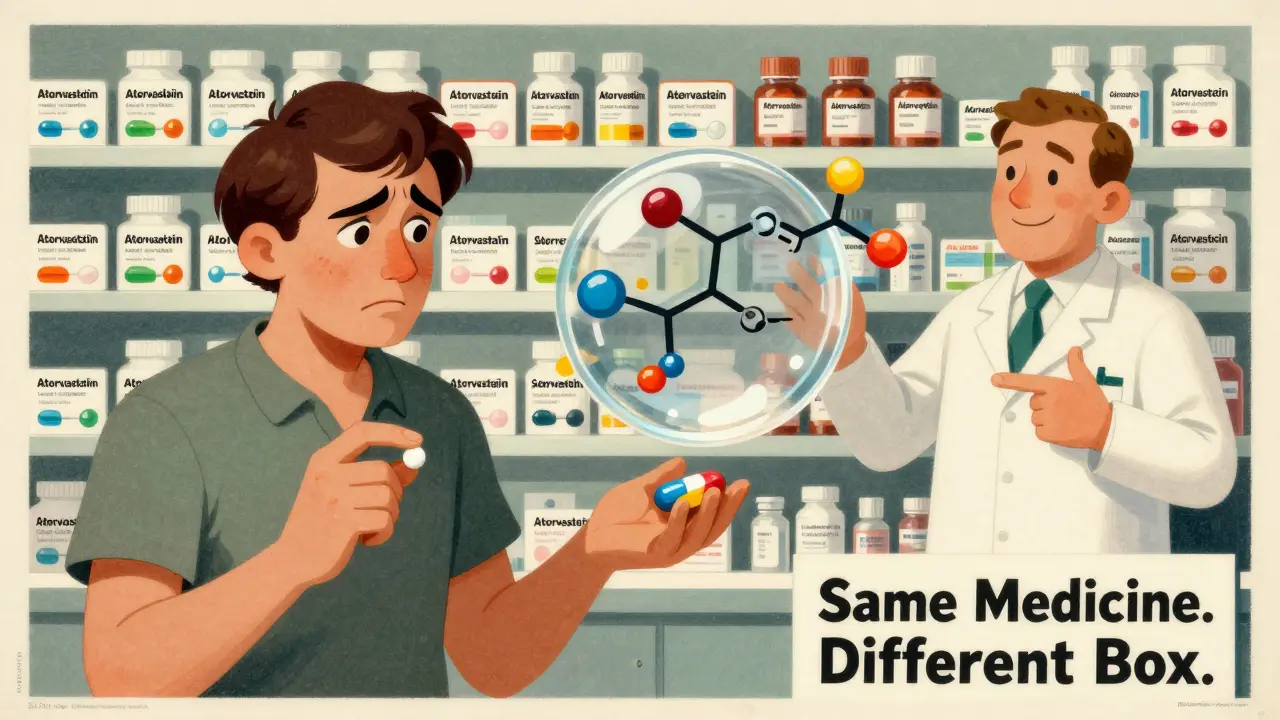
Consumer Language Guides: Making Generic Drug Information Accessible
Consumer language guides help patients understand that generic drugs are just as effective as brand-name ones-same active ingredient, same results, much lower cost. Learn how plain-language tools are breaking down myths and boosting adherence.

How Generic Medications Save Billions in Healthcare Costs
Generic medications save billions in healthcare costs each year, offering the same effectiveness as brand-name drugs at a fraction of the price. Learn how generics work, why they're so much cheaper, and how you can save money today.