Author: Caspian Hartwell - Page 2

How to Prepare for Pediatric Procedures with Pre-Op Medications
Learn how to safely prepare your child for surgery with proper pre-op medications, fasting rules, and anxiety management. Follow evidence-based guidelines to reduce risks and improve outcomes.
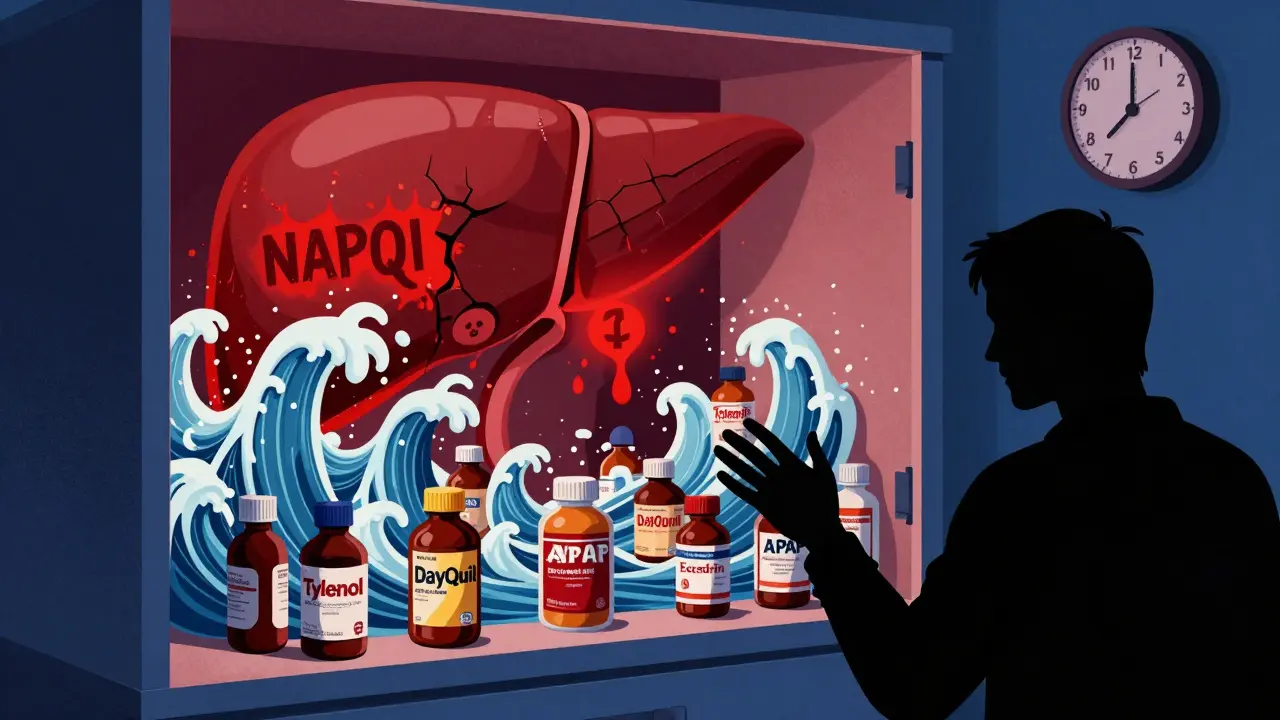
Acetaminophen Safety: How to Avoid Overdose and Stay Safe
Acetaminophen is safe when used correctly, but accidental overdose is the leading cause of acute liver failure in the U.S. Learn how to avoid hidden doses, recognize warning signs, and act fast if you've taken too much.
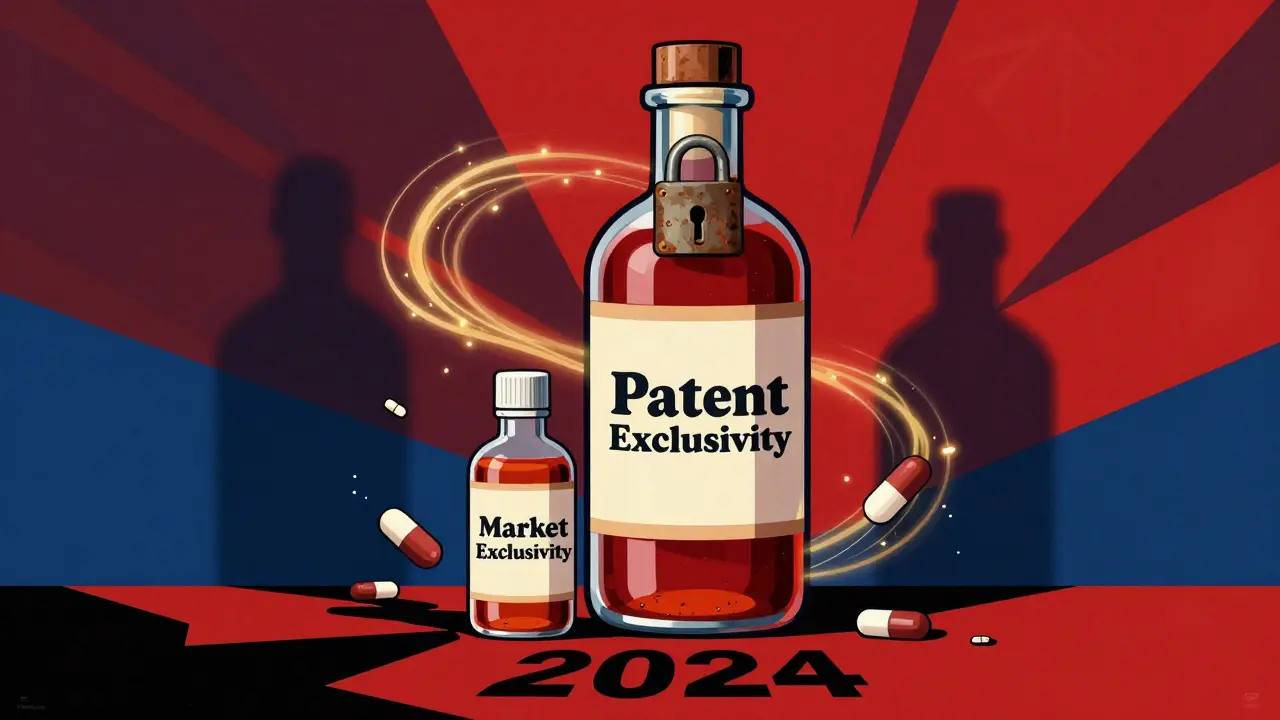
Patent Exclusivity vs Market Exclusivity: What's the Real Difference for Drug Prices?
Patent exclusivity and market exclusivity are two different legal tools that protect drug prices. One is about invention, the other about data. Understanding the difference explains why some drugs stay expensive long after patents expire.
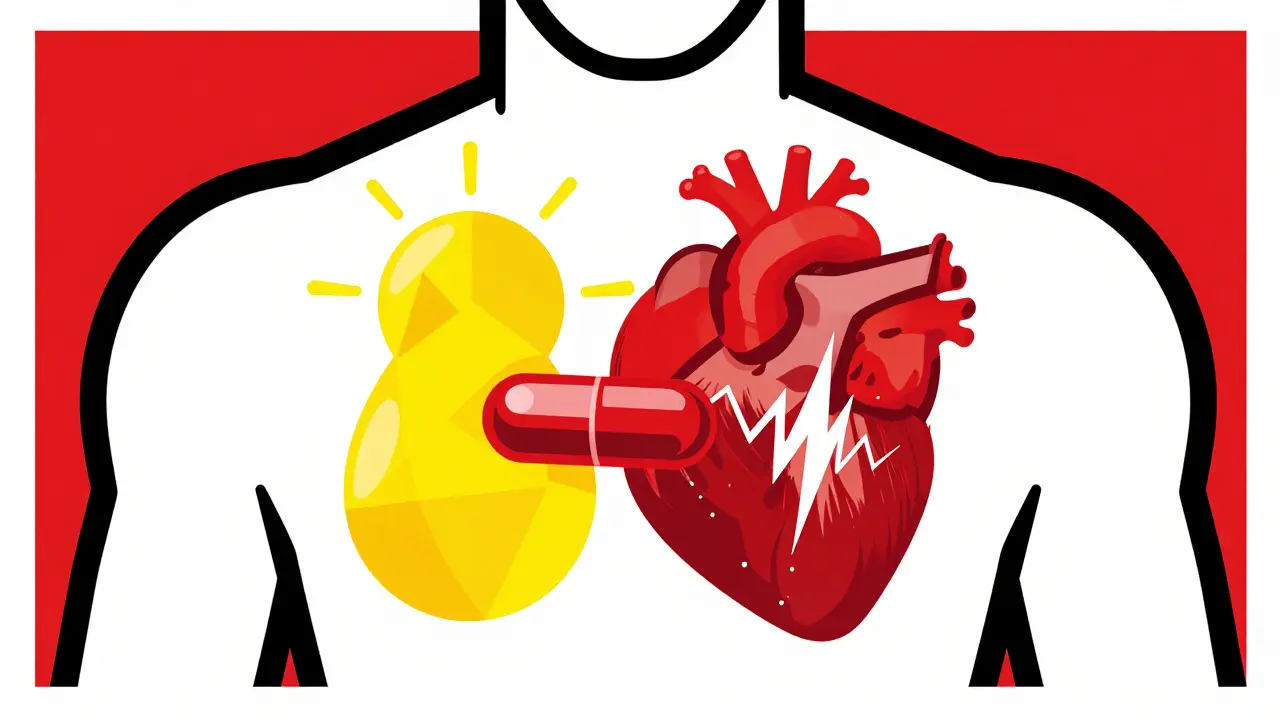
Hyperthyroidism and Stimulant Medications: Understanding Heart and Anxiety Risks
Combining hyperthyroidism and stimulant medications like Adderall can dangerously increase heart rate and anxiety. Real-world data shows high risks of cardiac events. Doctors recommend thyroid testing before starting stimulants. Non-stimulant alternatives may be safer. Always consult a healthcare provider for personalized advice.

Blockbuster Patent Expirations: 2025 and Beyond Timeline Explained
Explore the 2025-2030 patent cliff timeline affecting major drugs like Keytruda and Entresto. Learn how generics will slash prices, save healthcare costs, and reshape the pharmaceutical industry.
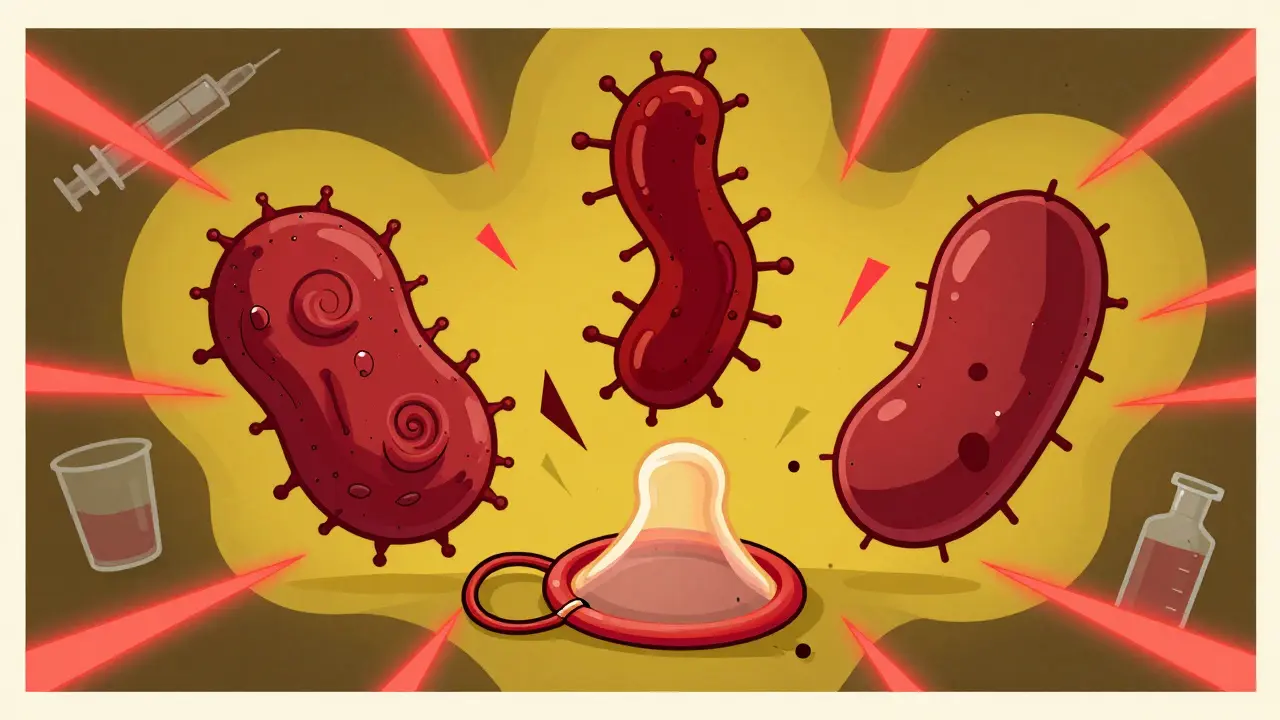
STIs Overview: Chlamydia, Gonorrhea, and Syphilis Management
Chlamydia, gonorrhea, and syphilis are three of the most common bacterial STIs. Learn how they spread, how they’re diagnosed and treated, why partner notification matters, and how prevention can stop the rising tide of infections.

Consumer Language Guides: Making Generic Drug Information Accessible
Consumer language guides help patients understand that generic drugs are just as effective as brand-name ones-same active ingredient, same results, much lower cost. Learn how plain-language tools are breaking down myths and boosting adherence.
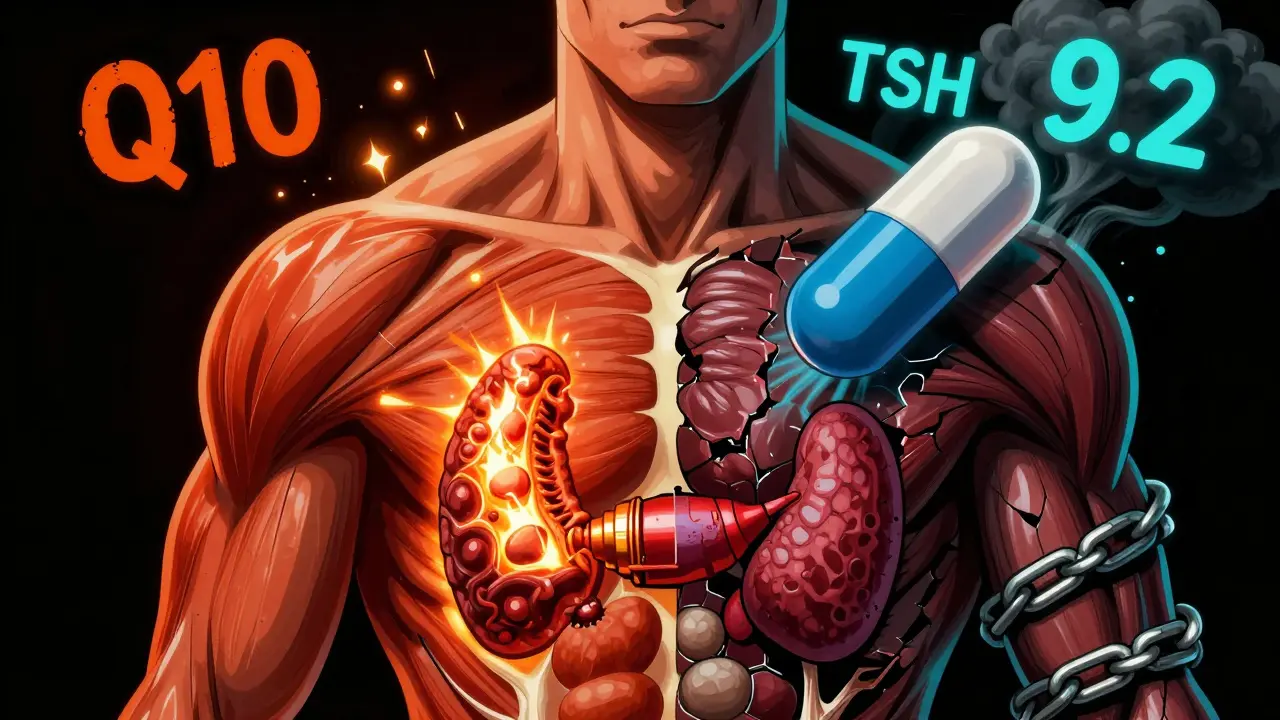
Hypothyroidism and Statins: How Uncontrolled Thyroid Levels Raise Myopathy Risk
Hypothyroidism increases the risk of statin-induced muscle damage. Learn how uncontrolled thyroid levels raise myopathy risk, which statins are safest, and what steps to take to protect your muscles and heart.
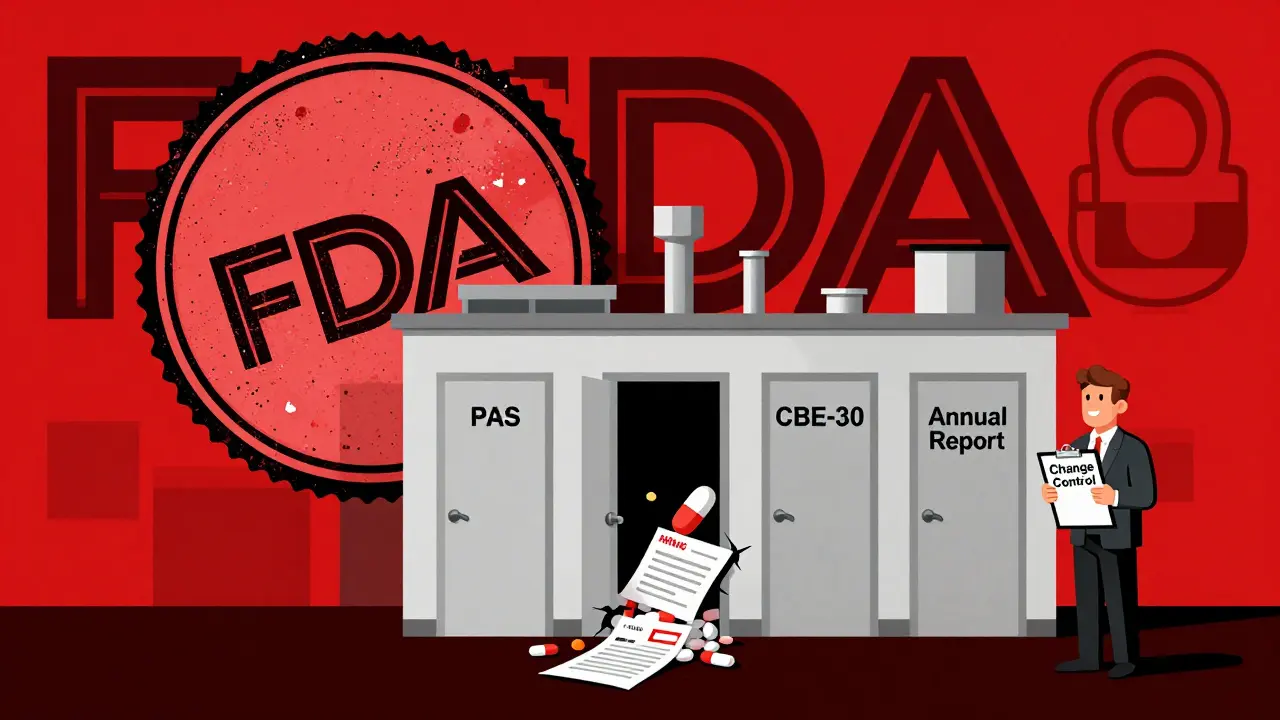
Manufacturing Changes in Pharmaceuticals: Notification and Approval Requirements Explained
Understand the FDA and global requirements for manufacturing changes in pharmaceuticals, including PAS, CBE-30, and annual reports. Learn what triggers approval, how to classify changes, and the risks of non-compliance.

Special Populations in Bioequivalence: How Age and Sex Impact Generic Drug Testing
Bioequivalence studies for generic drugs have historically excluded women and older adults. New regulations now require more representative testing to ensure safety and effectiveness across all users.